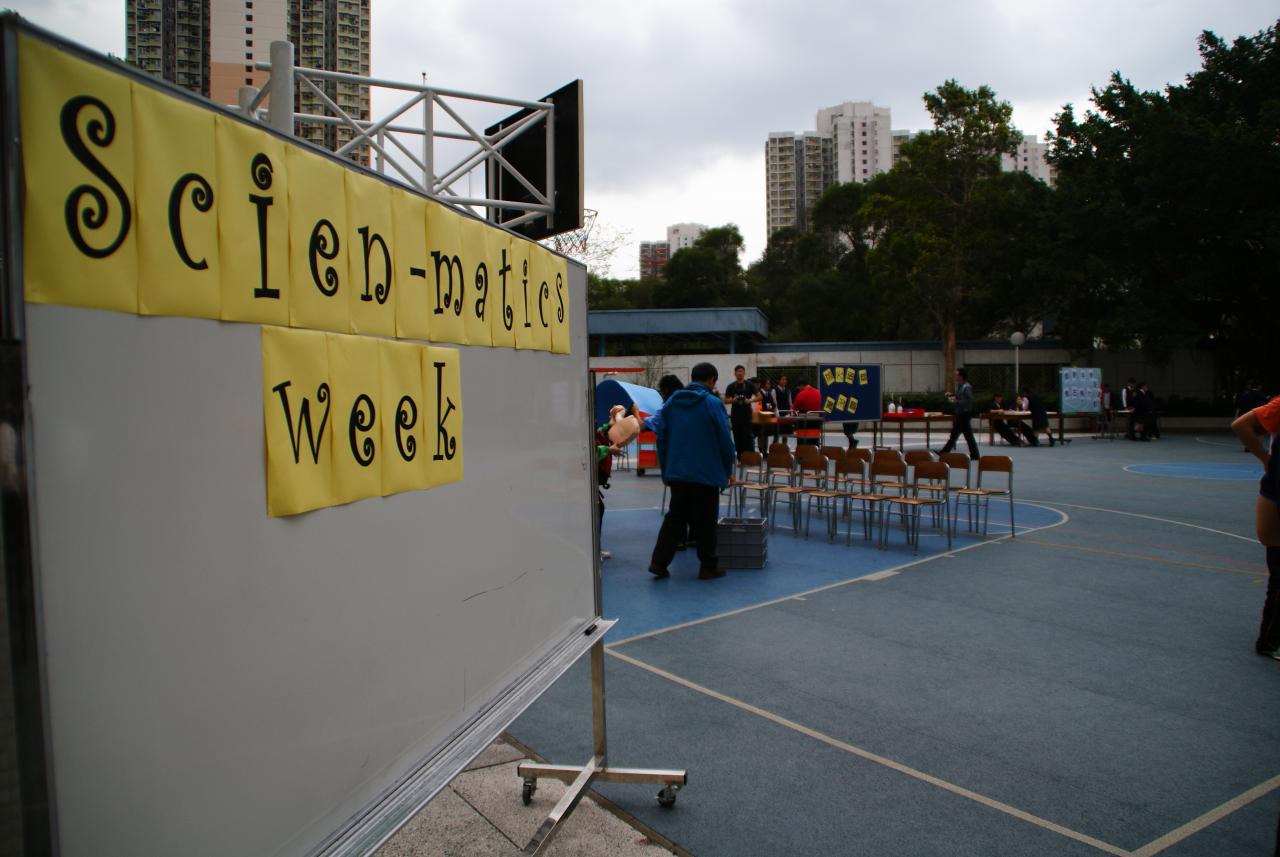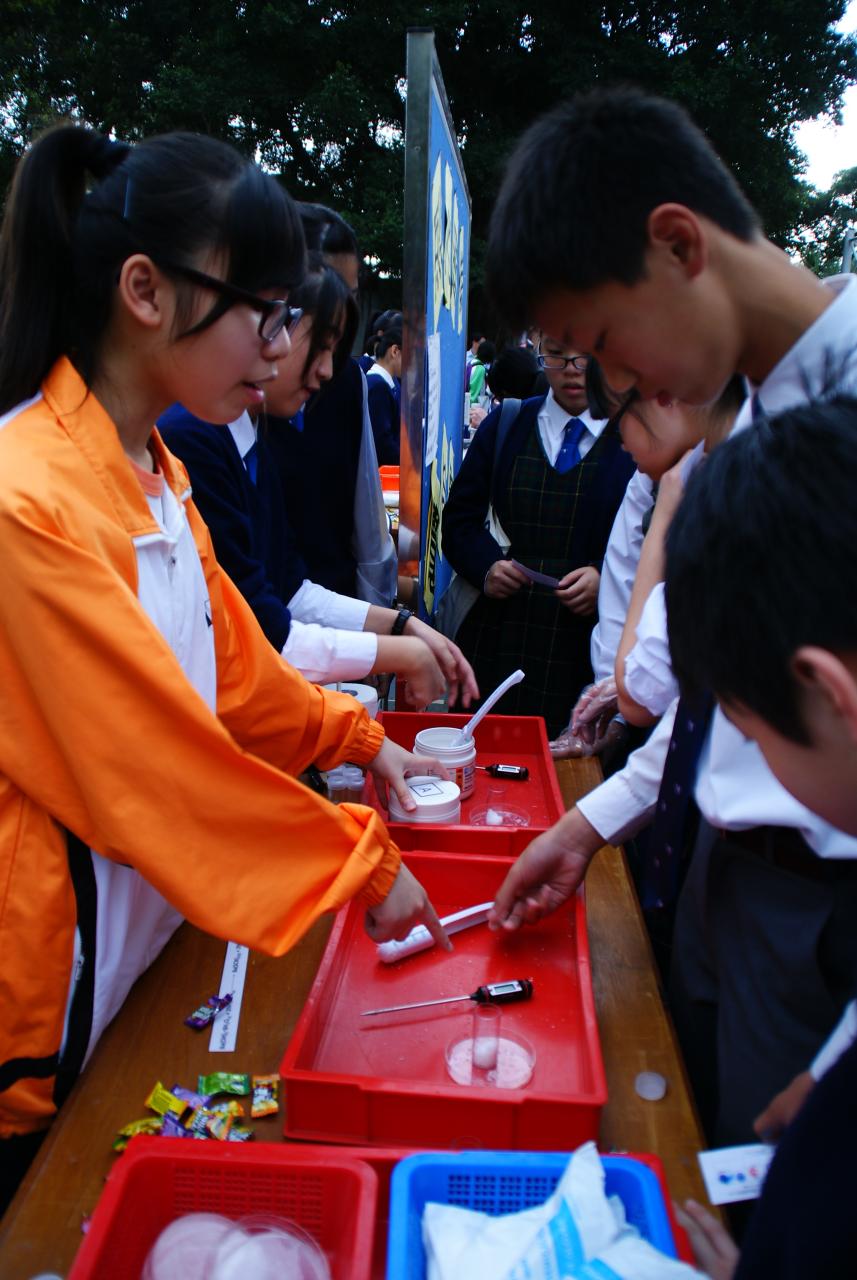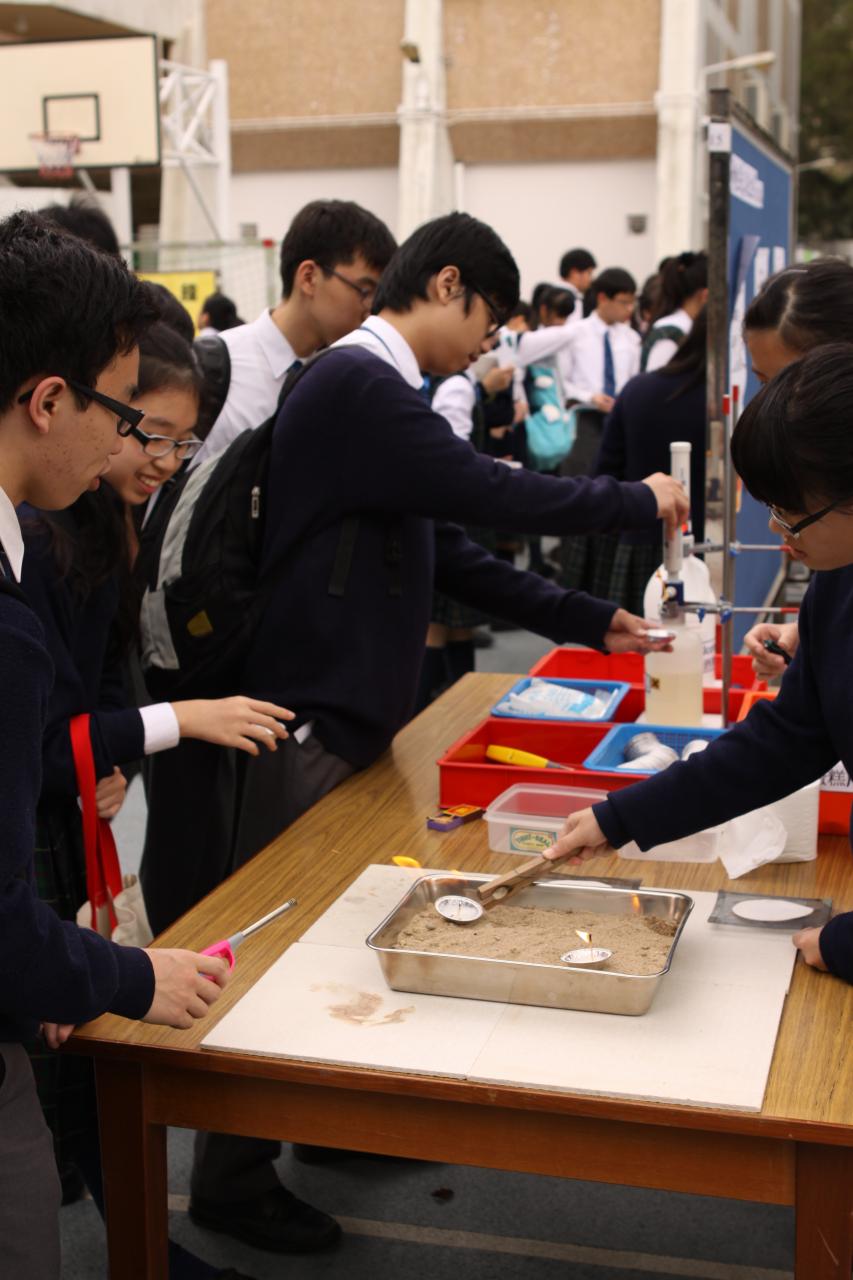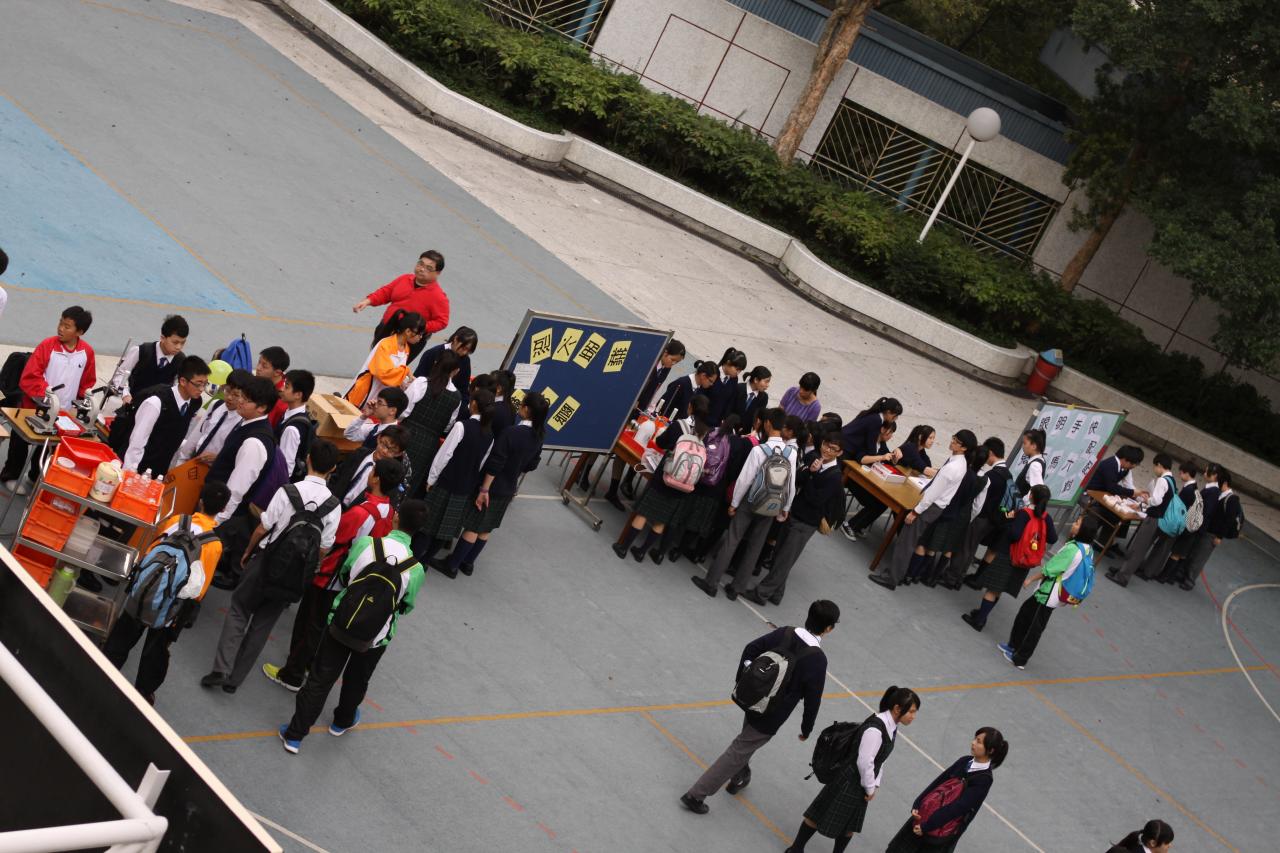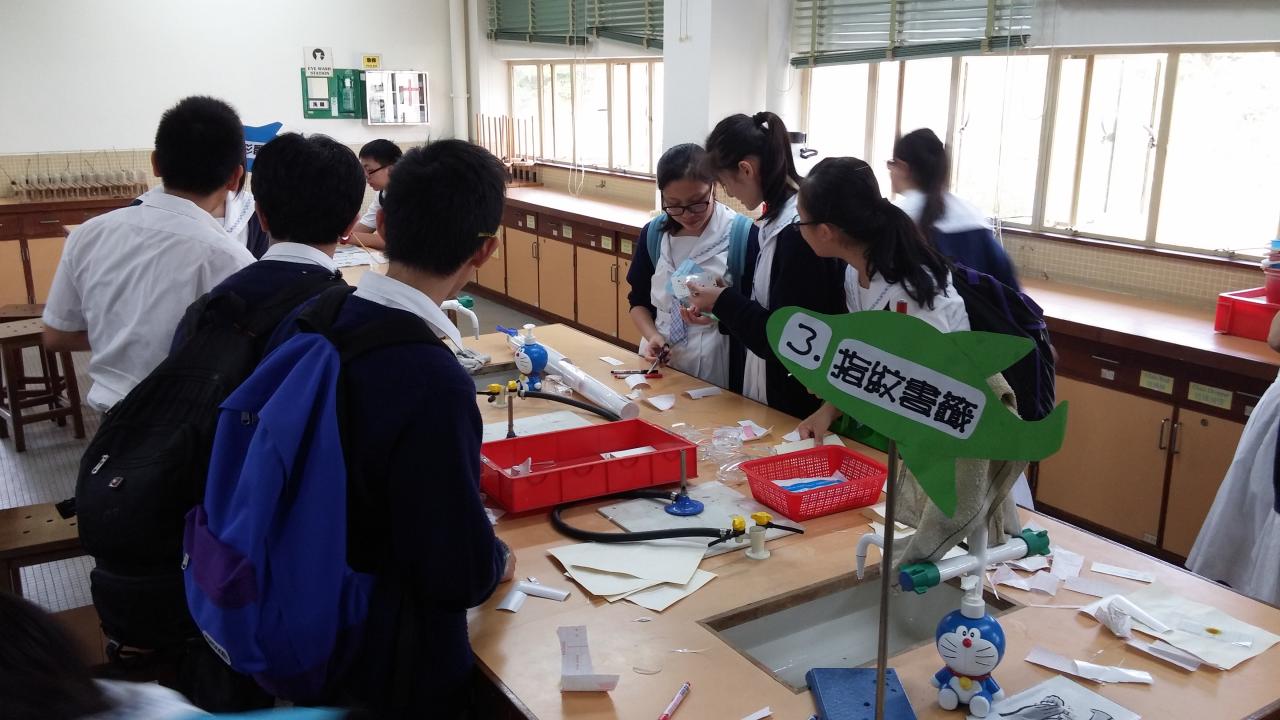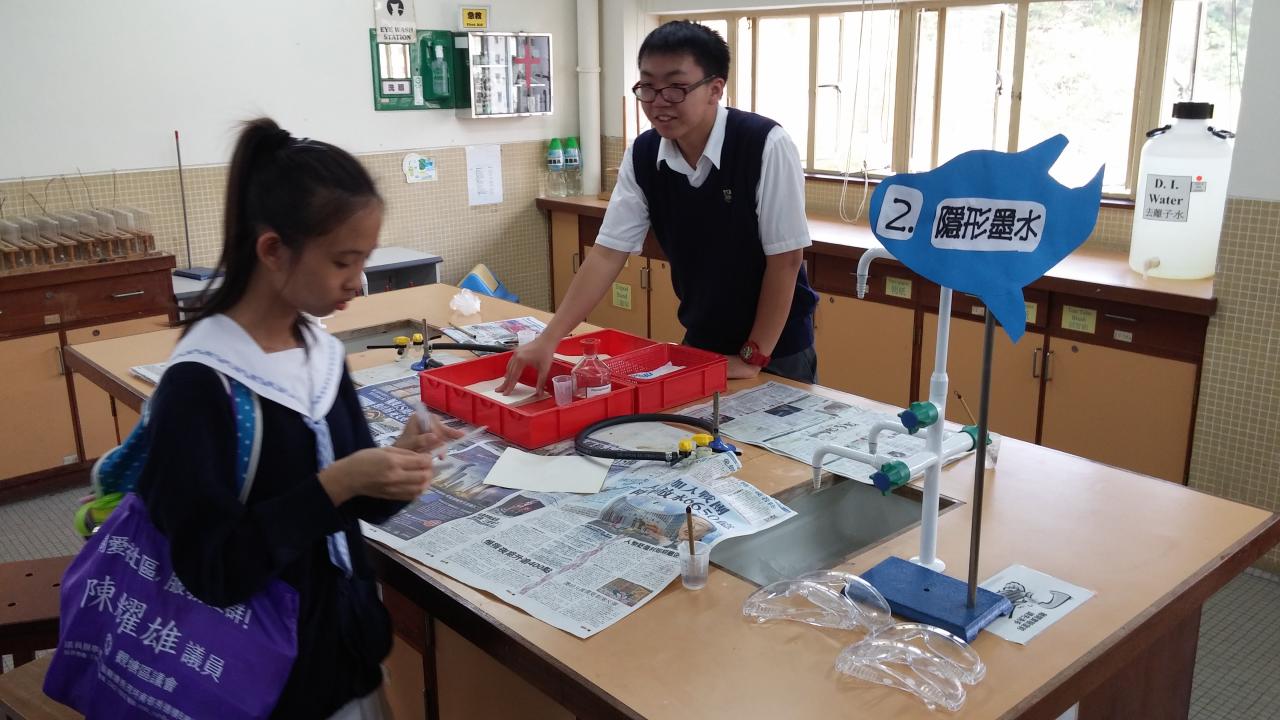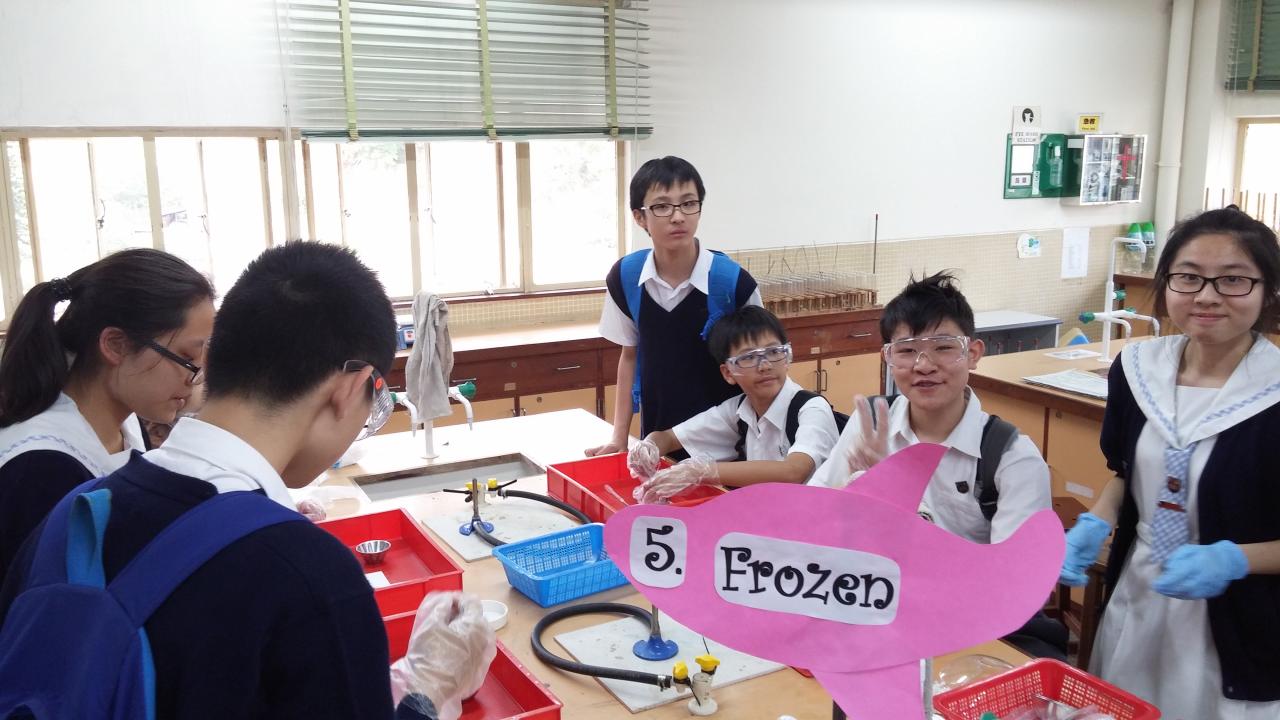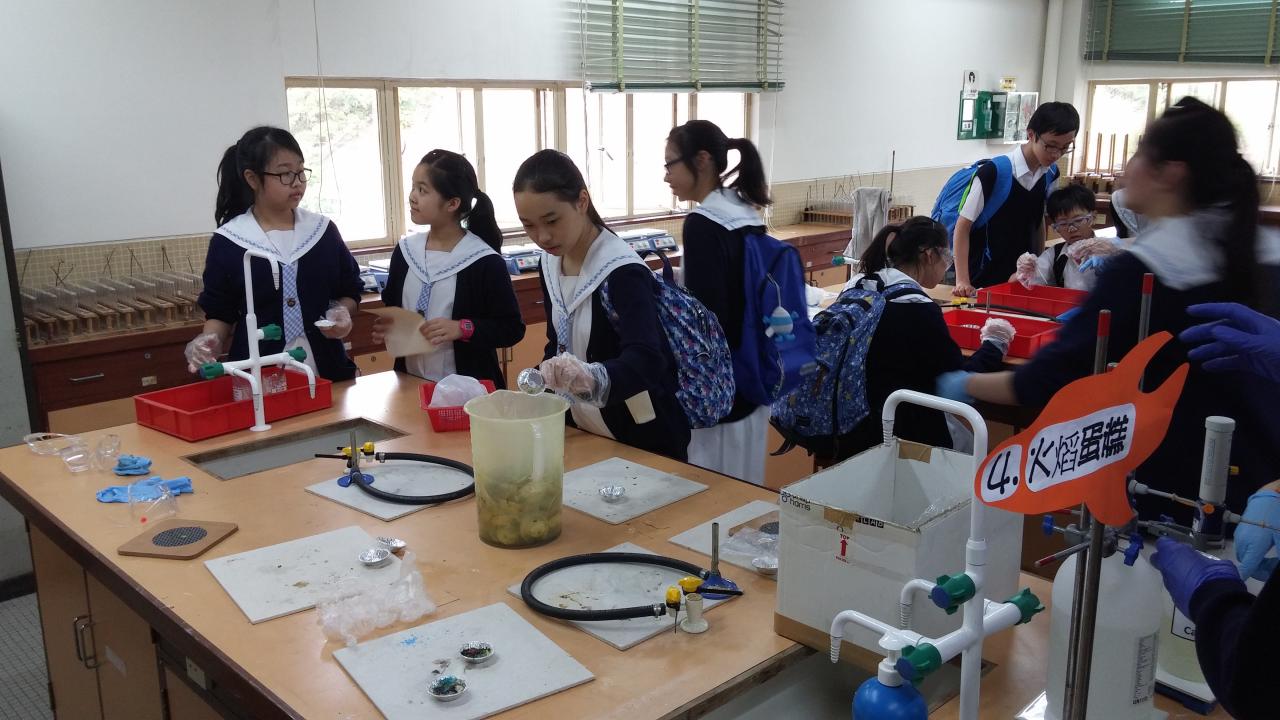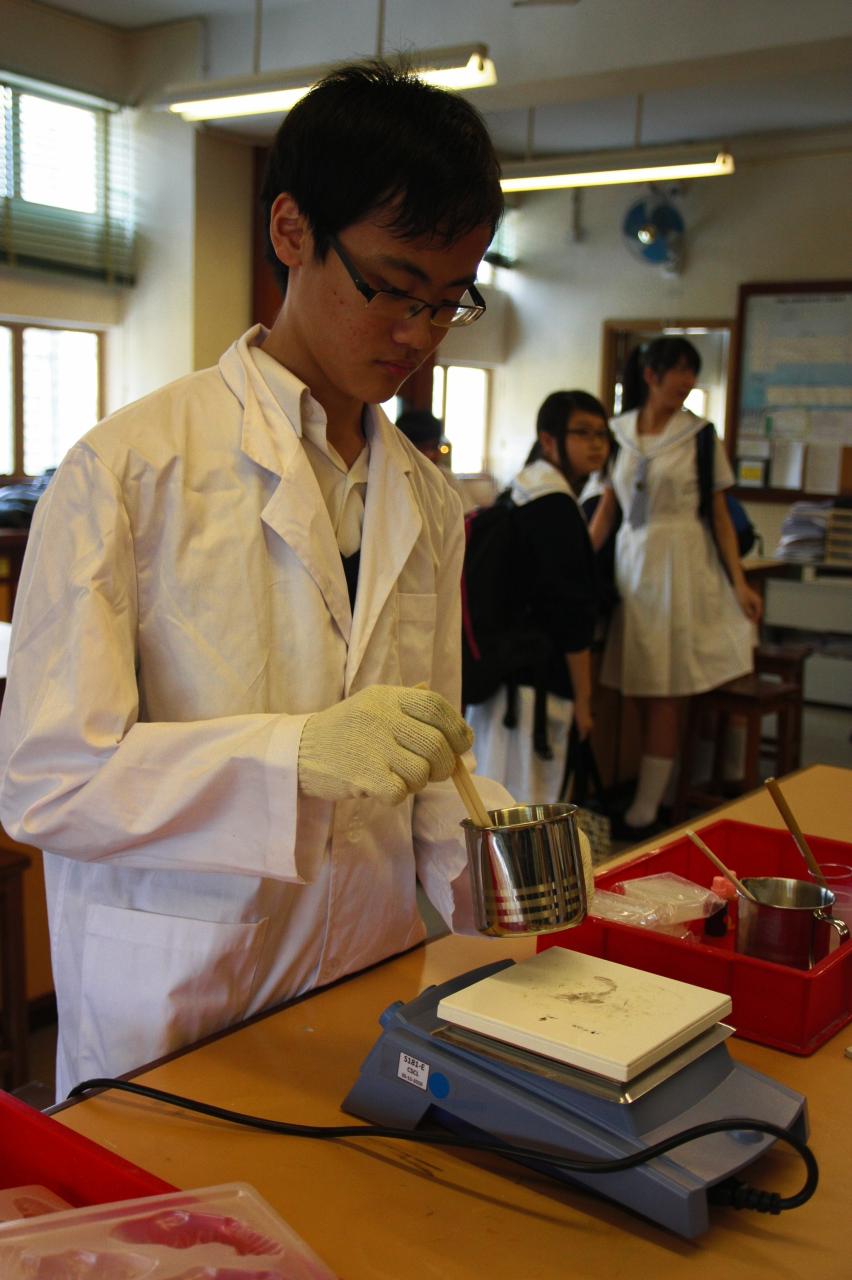
2013 Scien-matics Week Activities

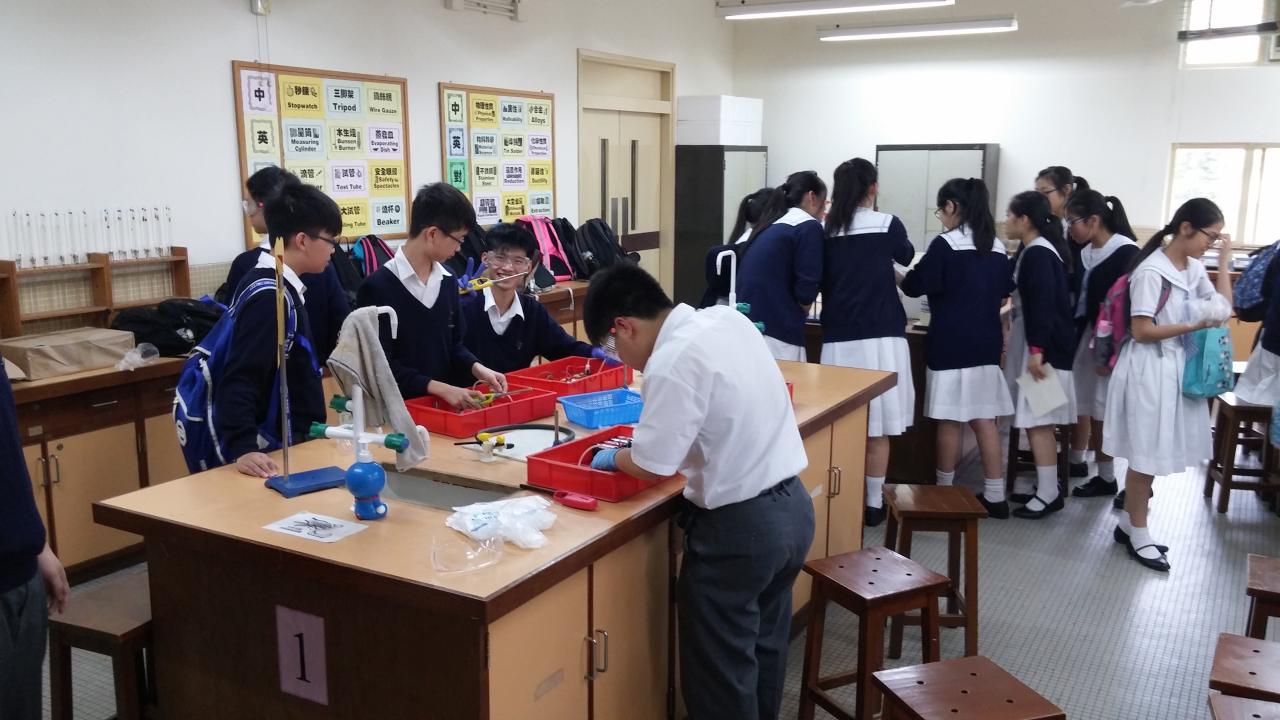
2015 Scien-matics Week Activities
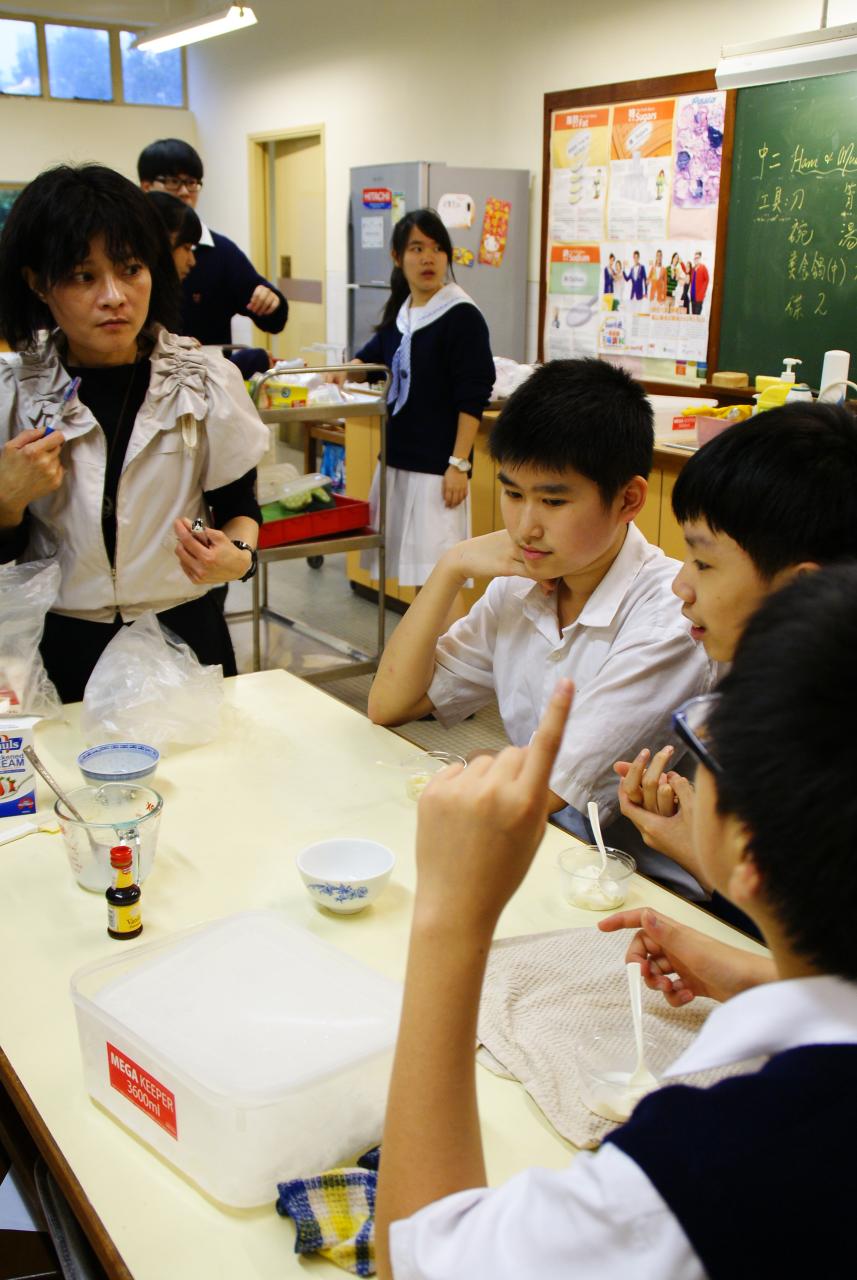
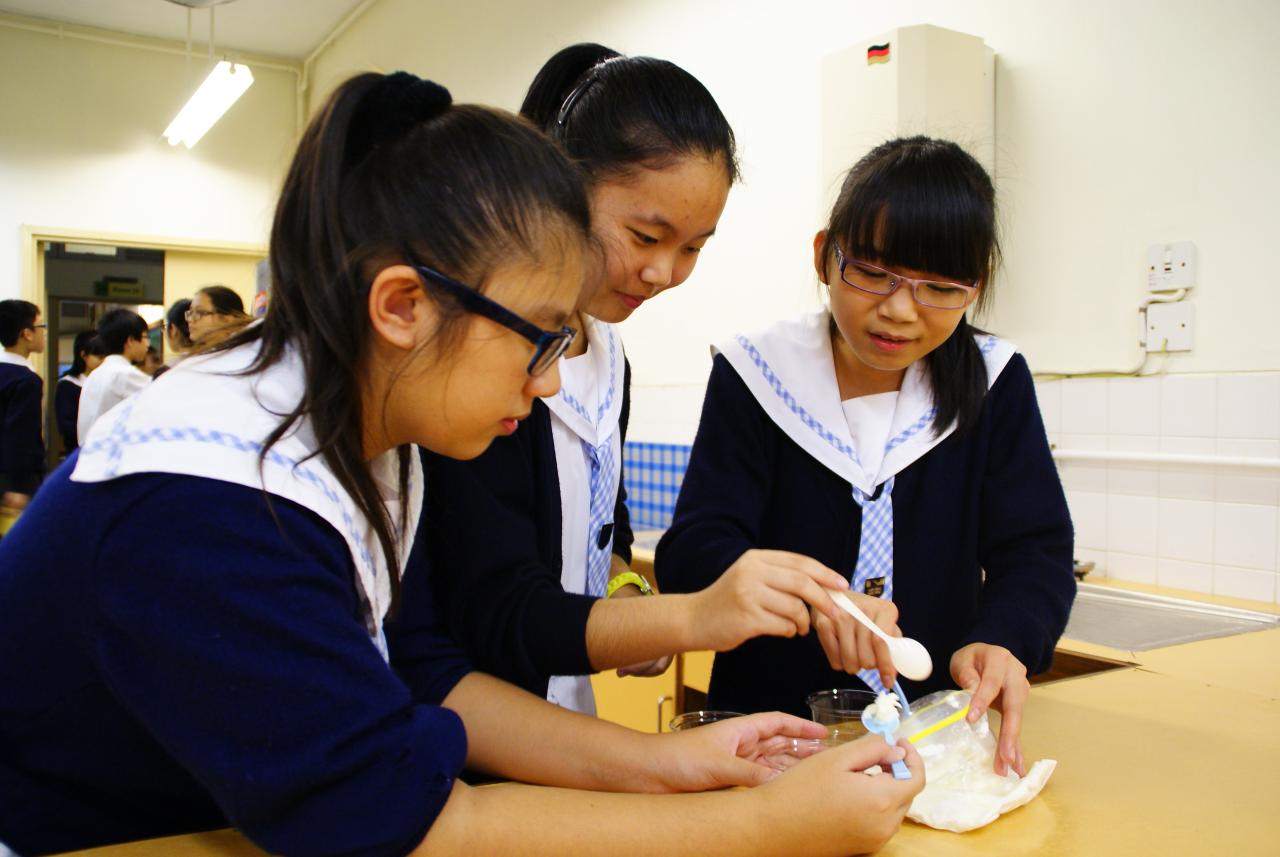
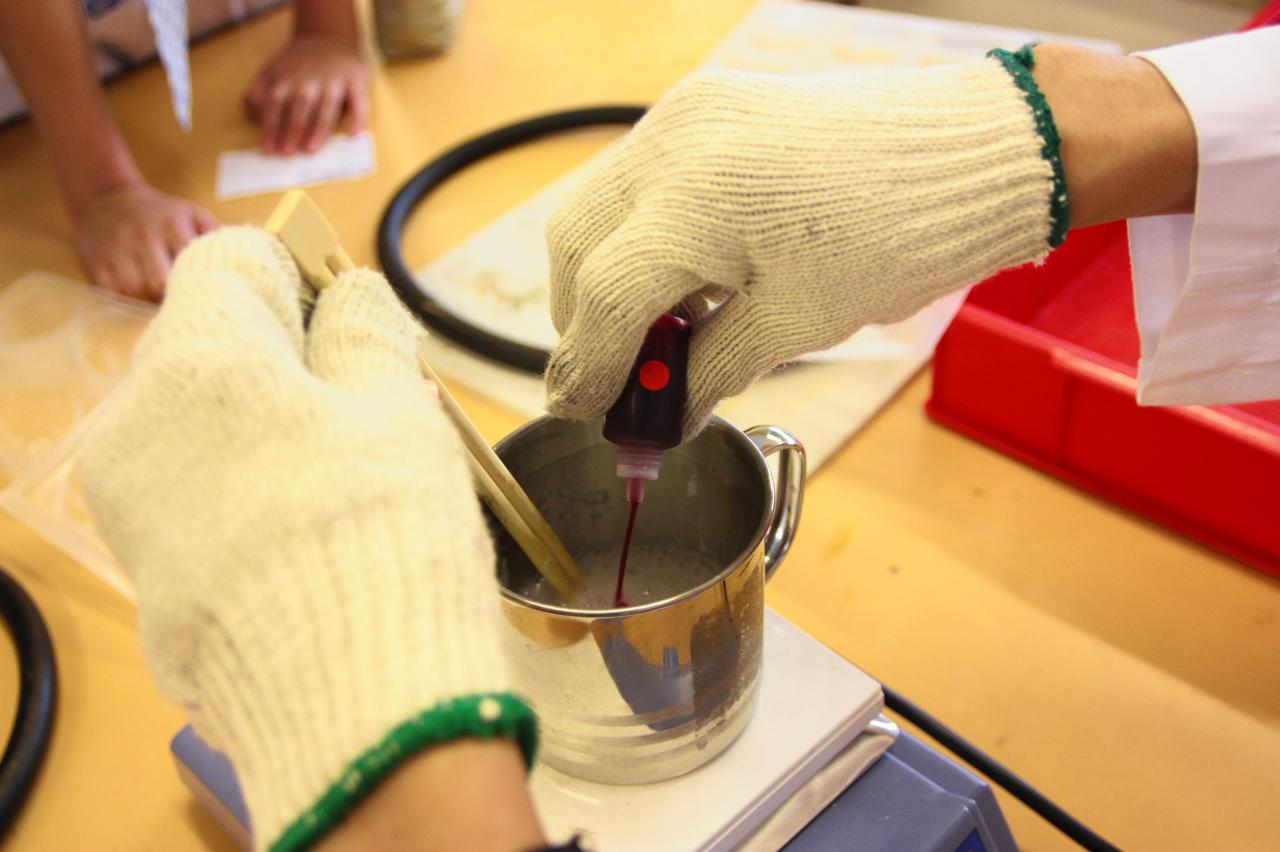
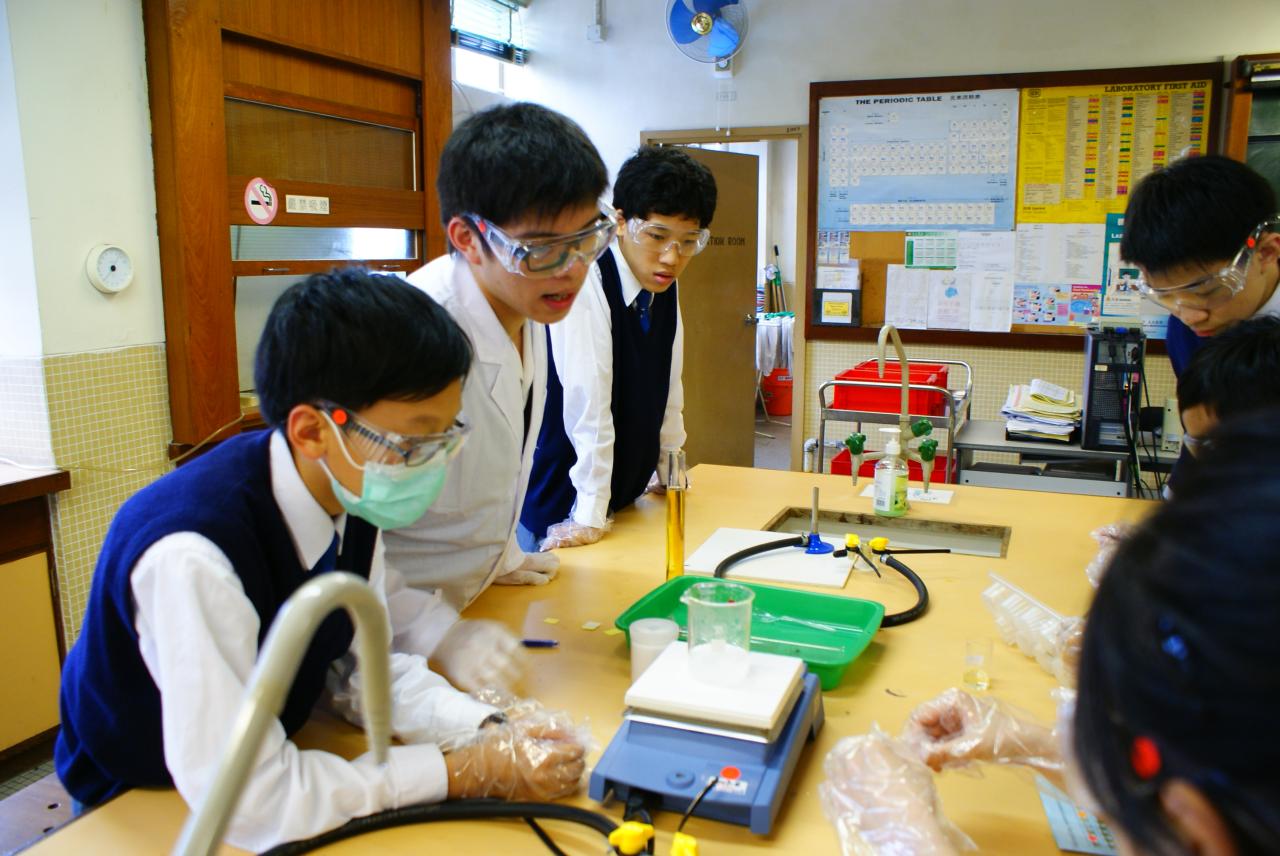
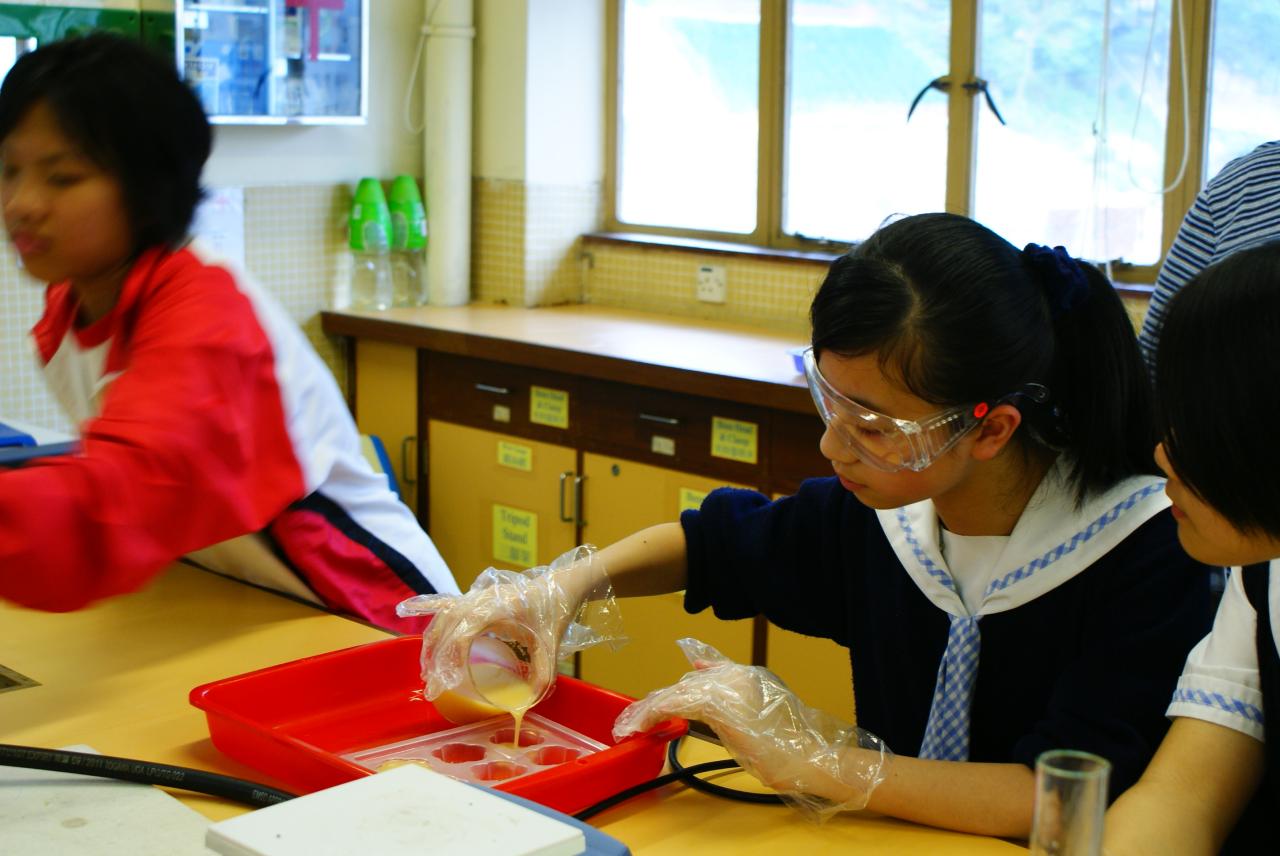
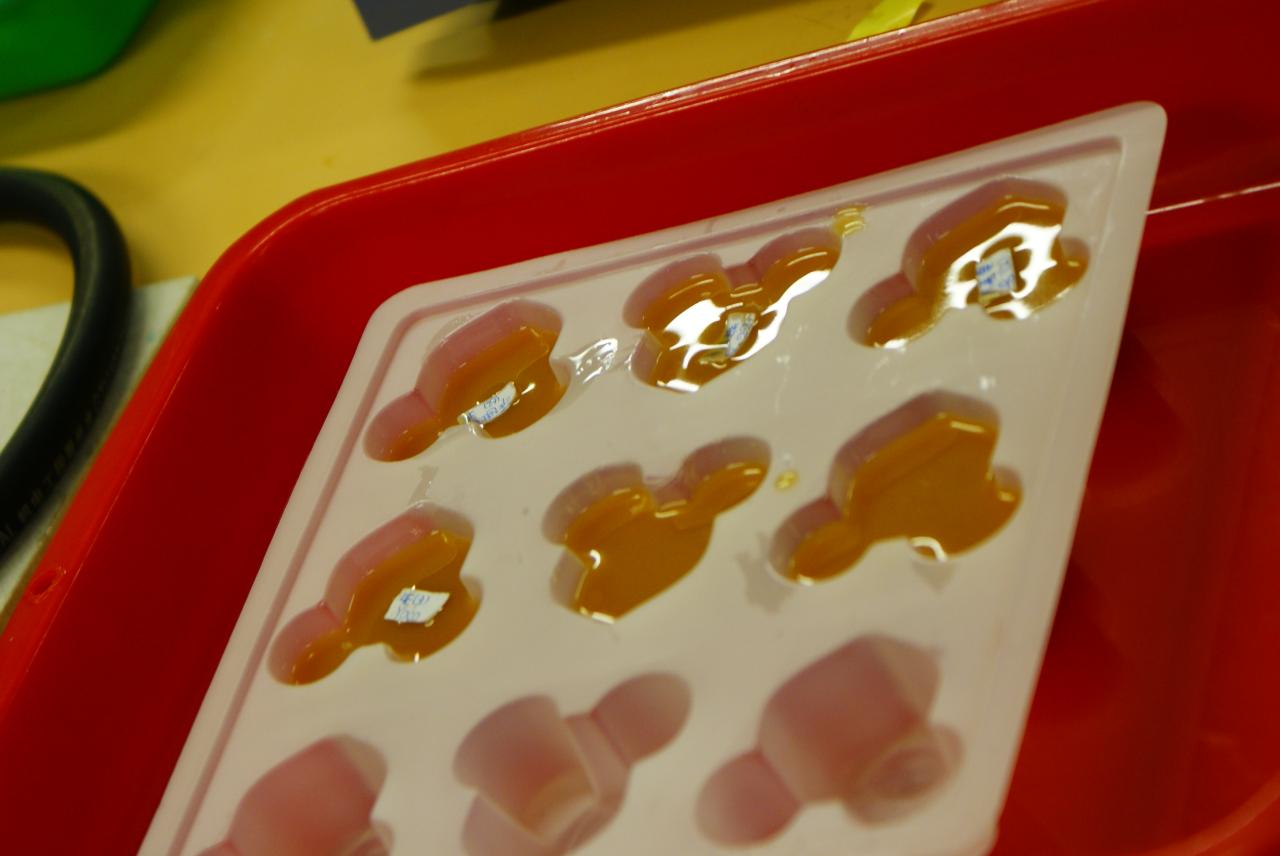
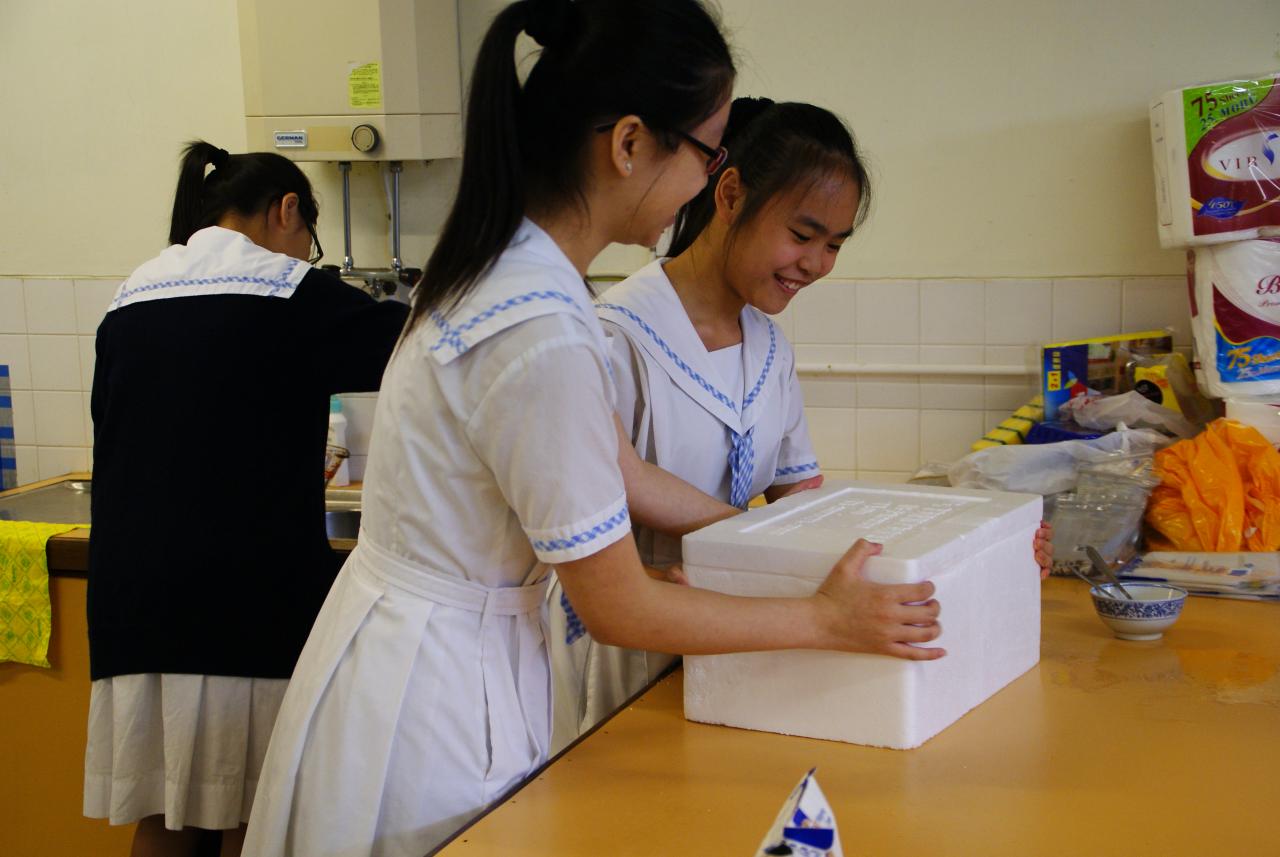
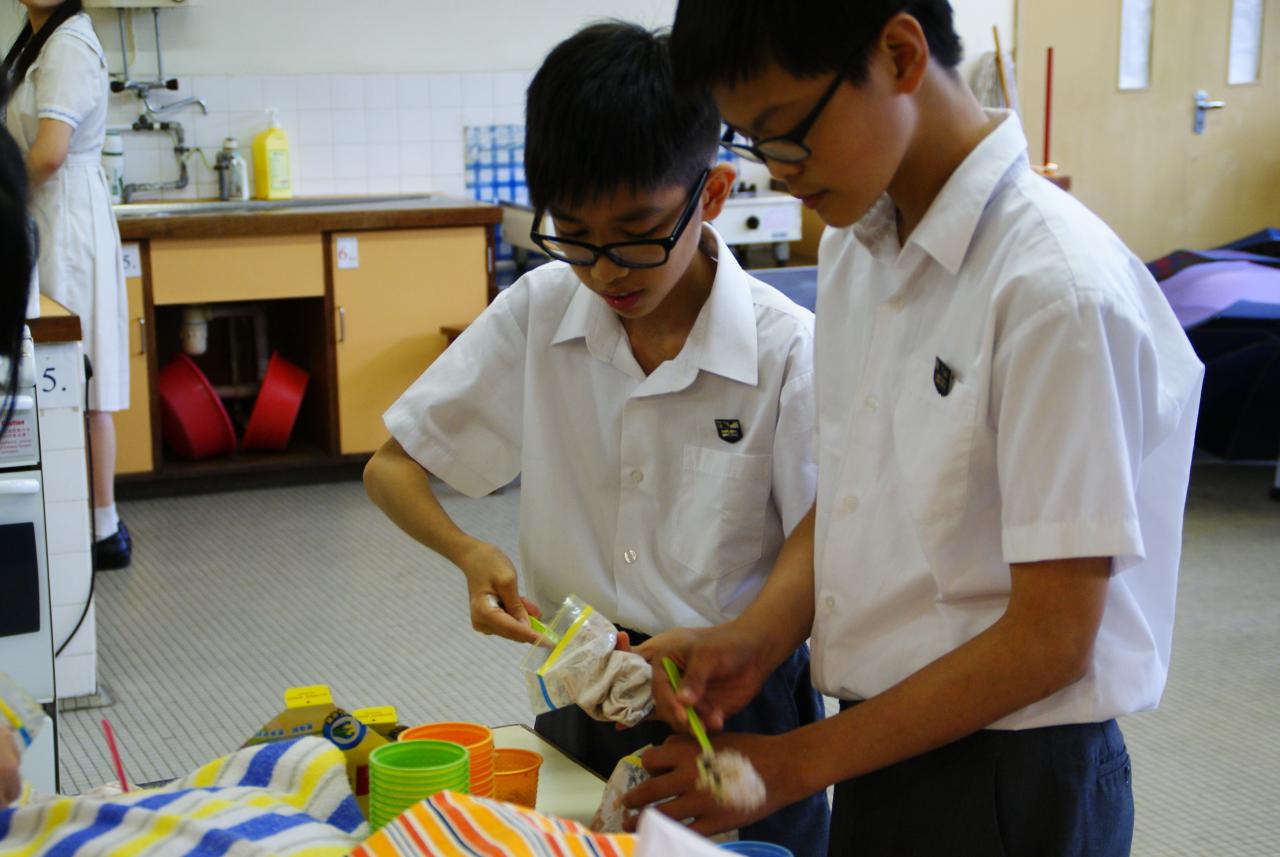
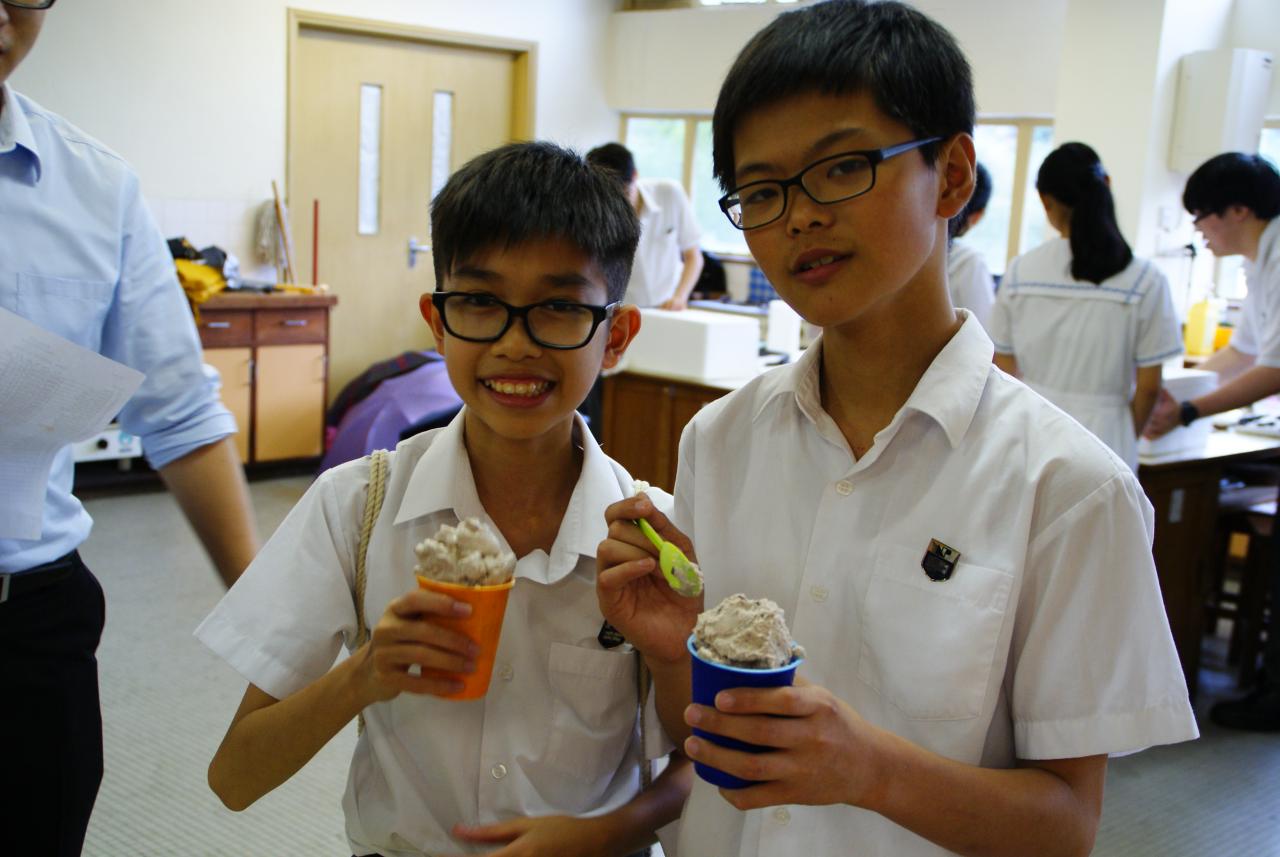
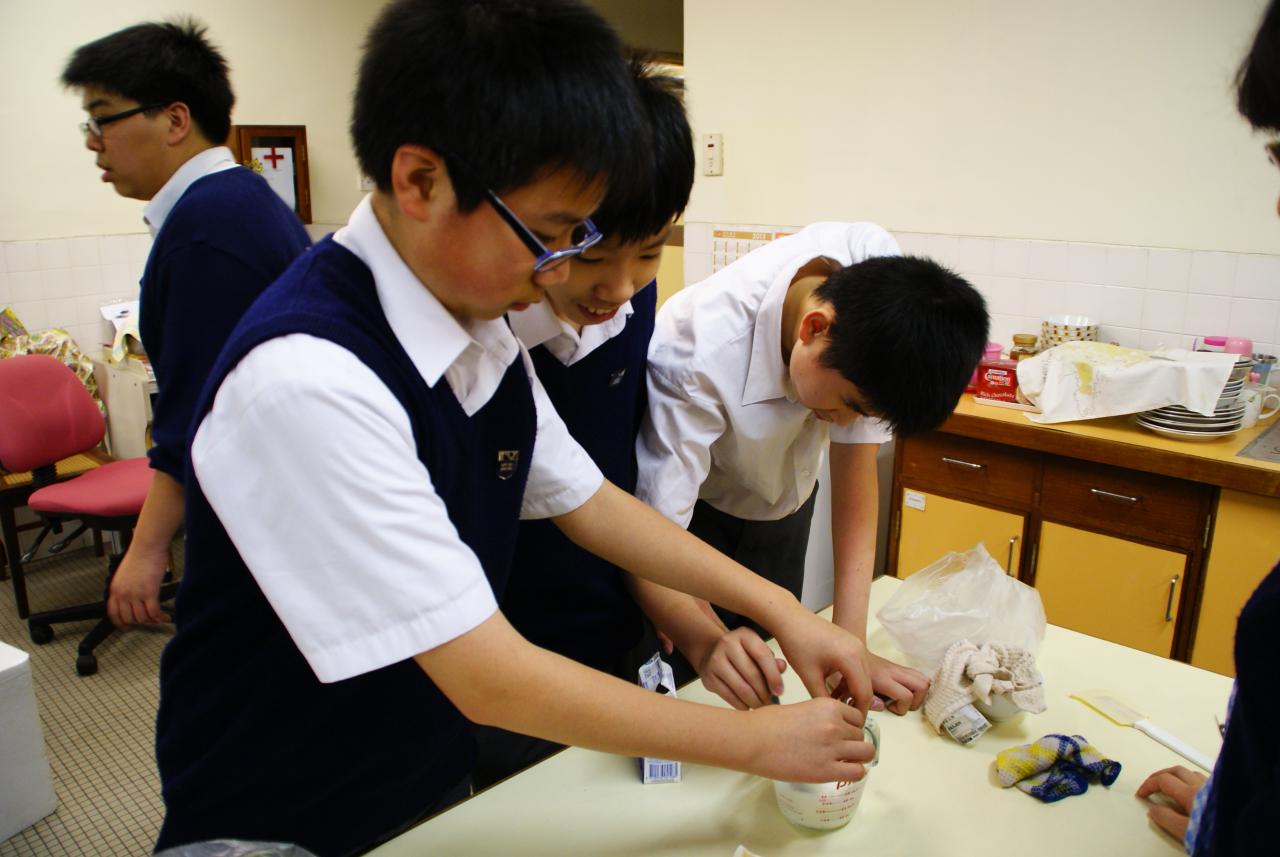
20130508 English Week - Ice-Cream Making (By Chemistry Department)
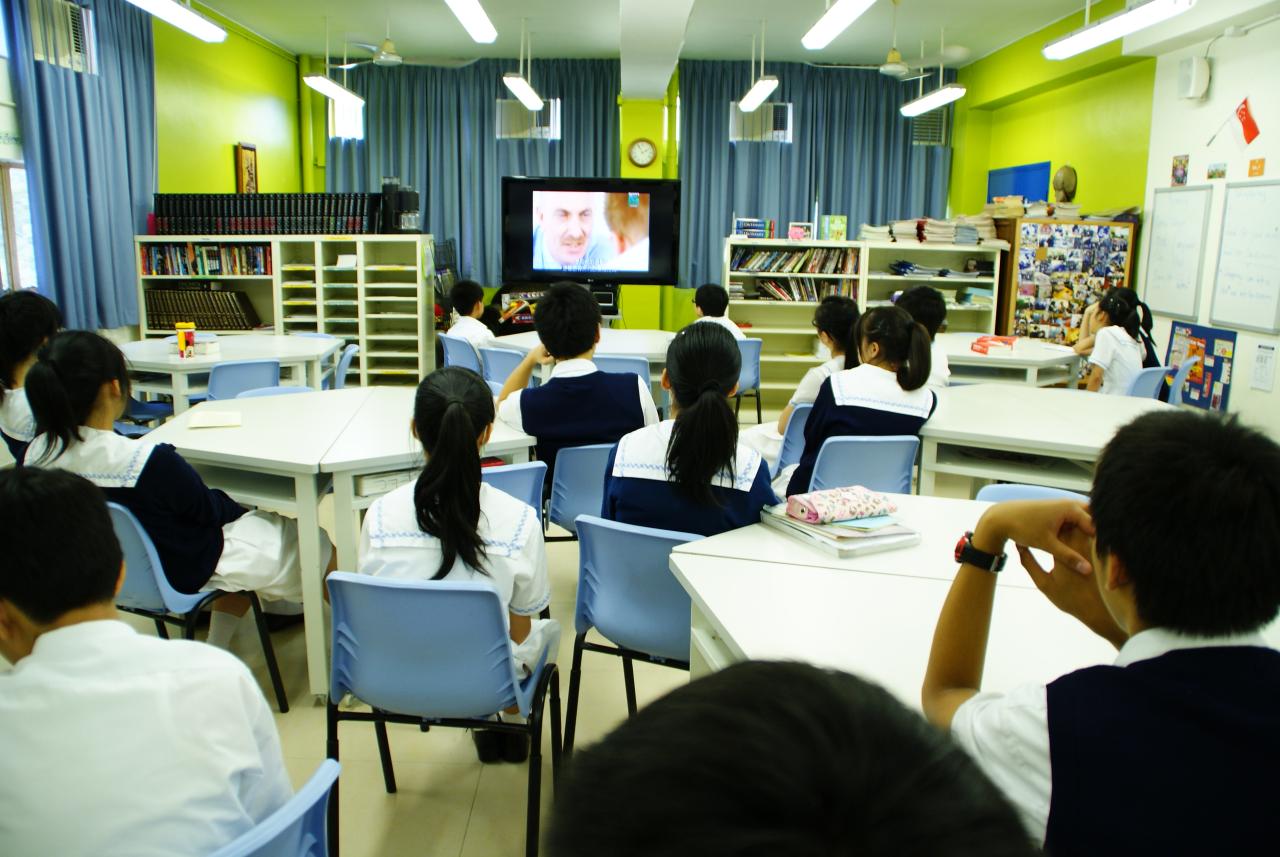
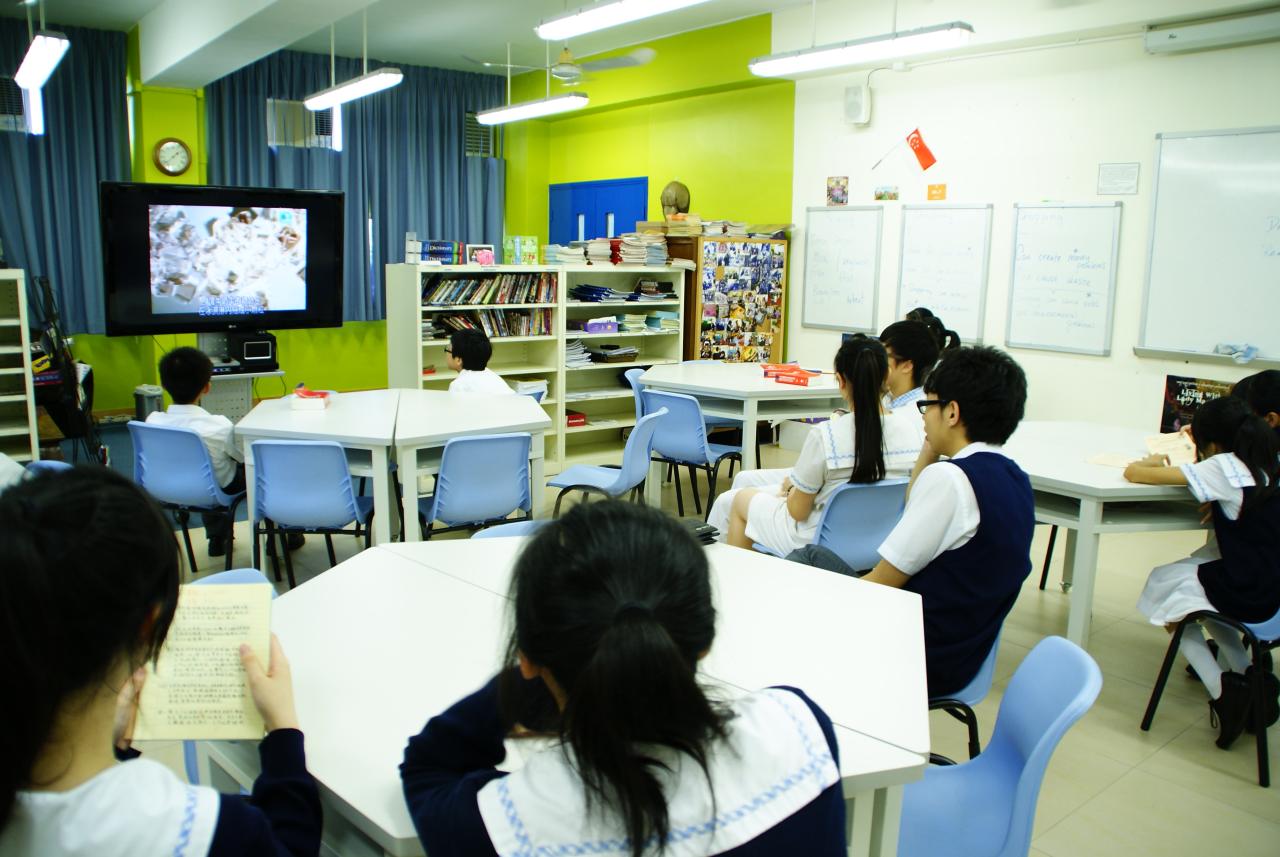
20120511 English Week - Chemistry Department - Movie Show Kitchen Chemistry
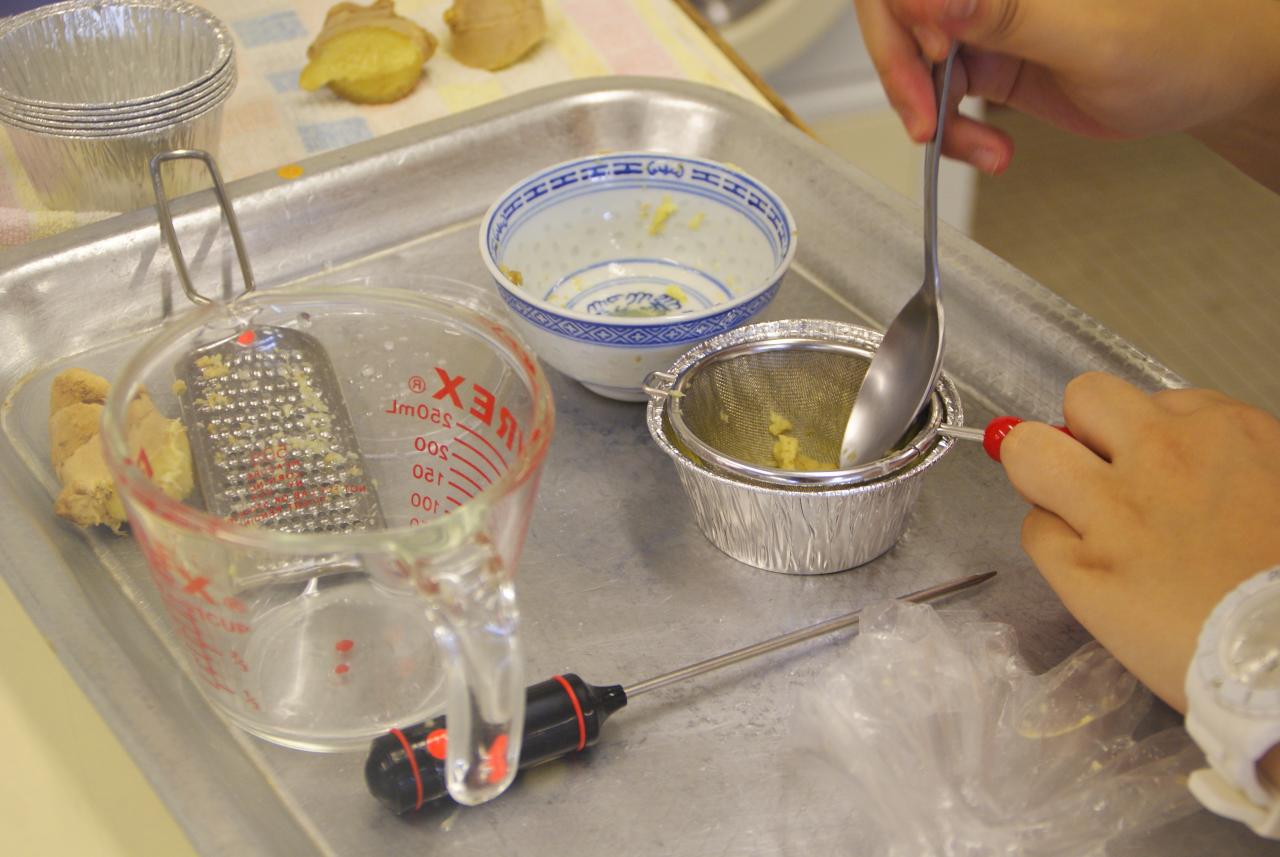
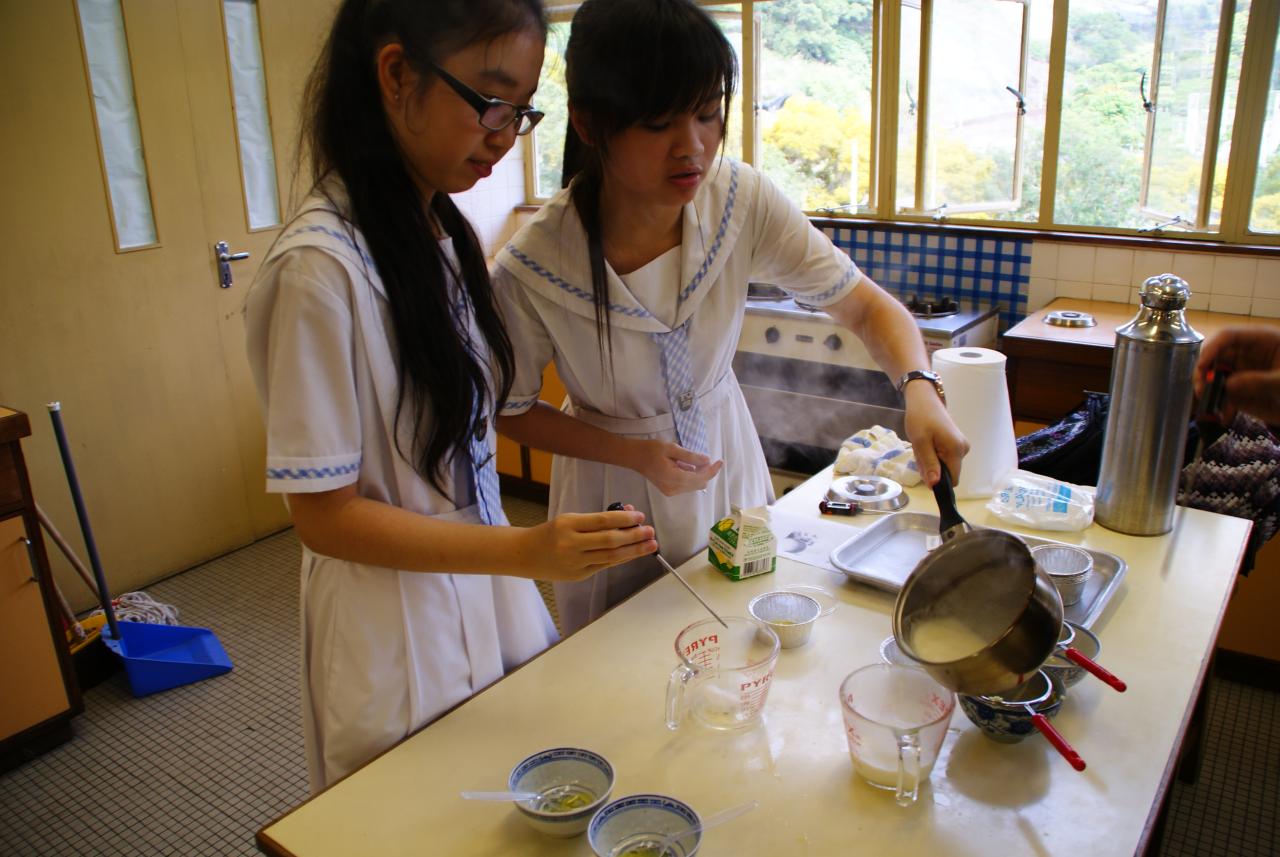
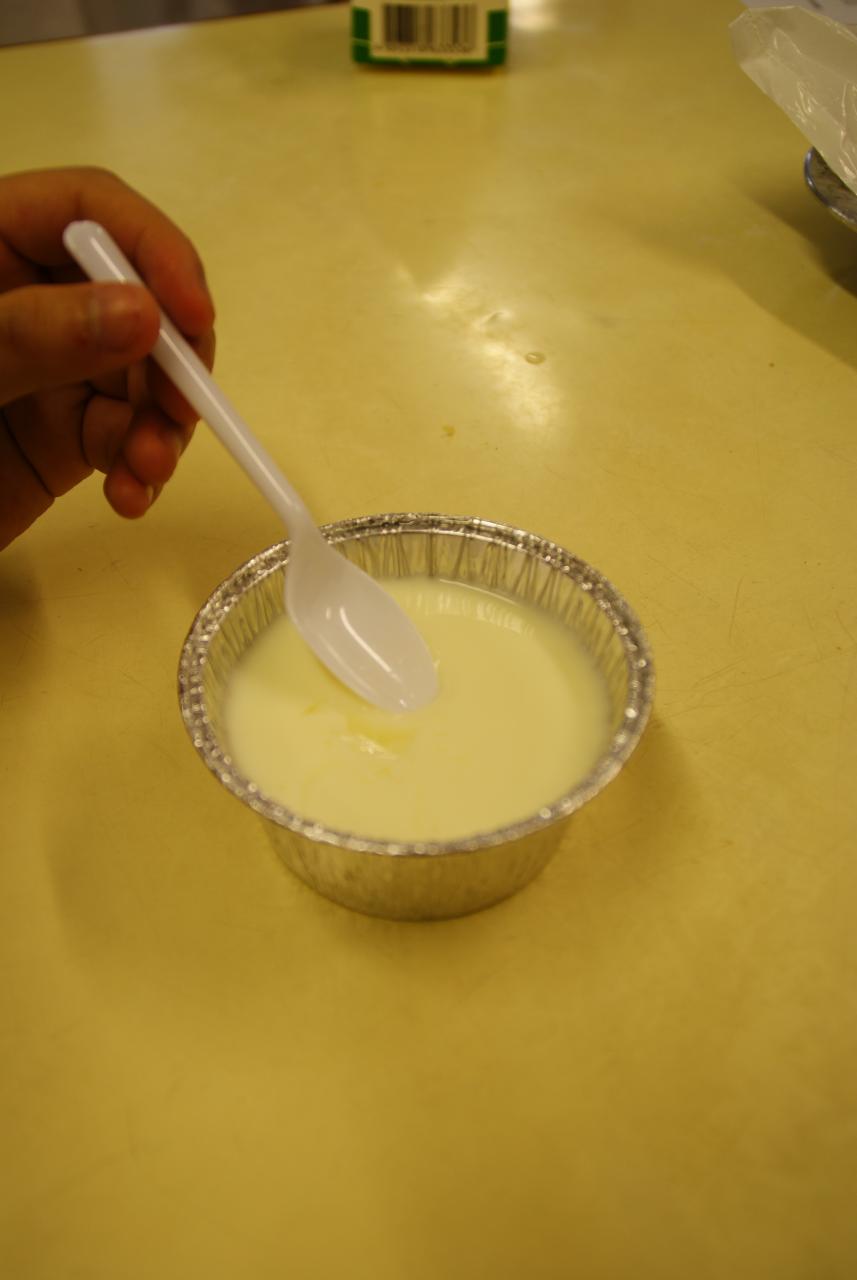
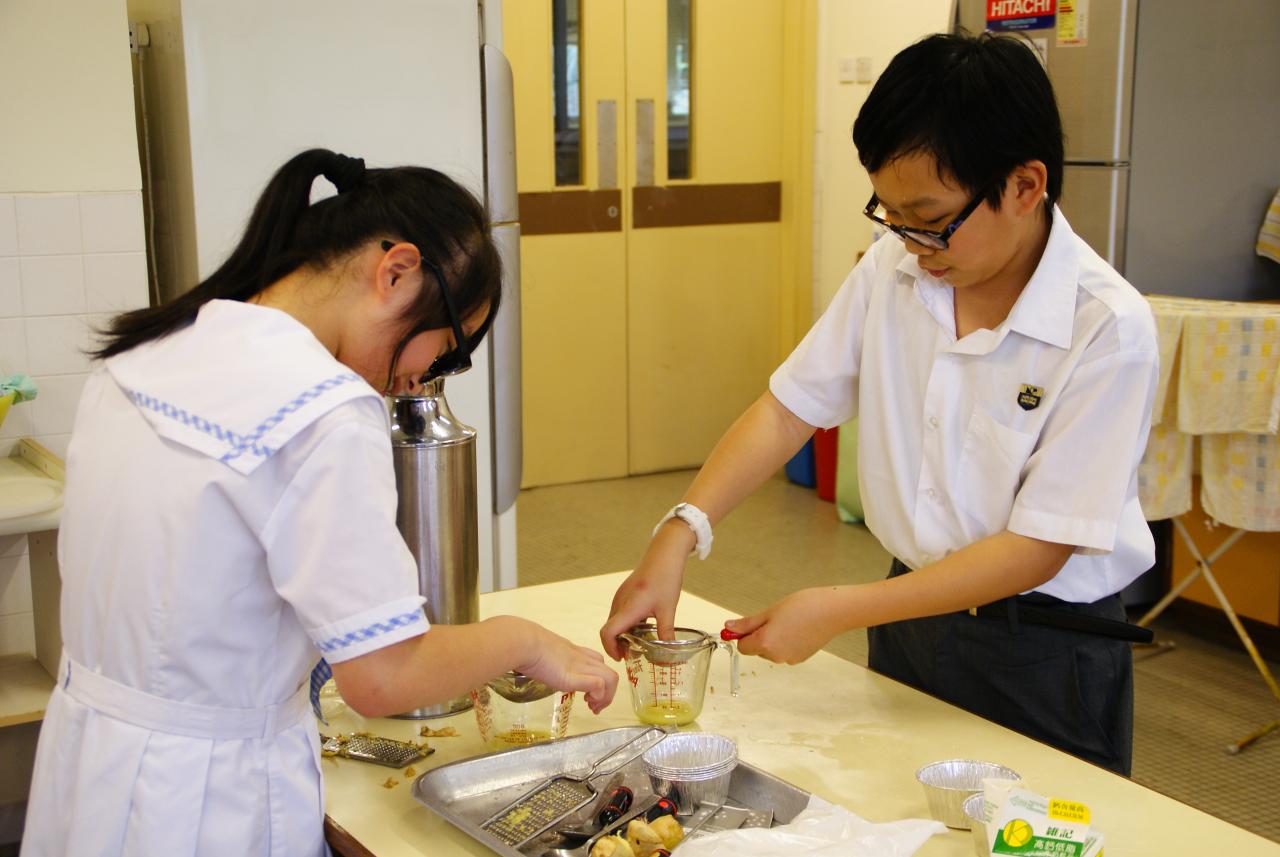
20120503 English Week - Chemistry Department - The making of Ginger Milk Pudding
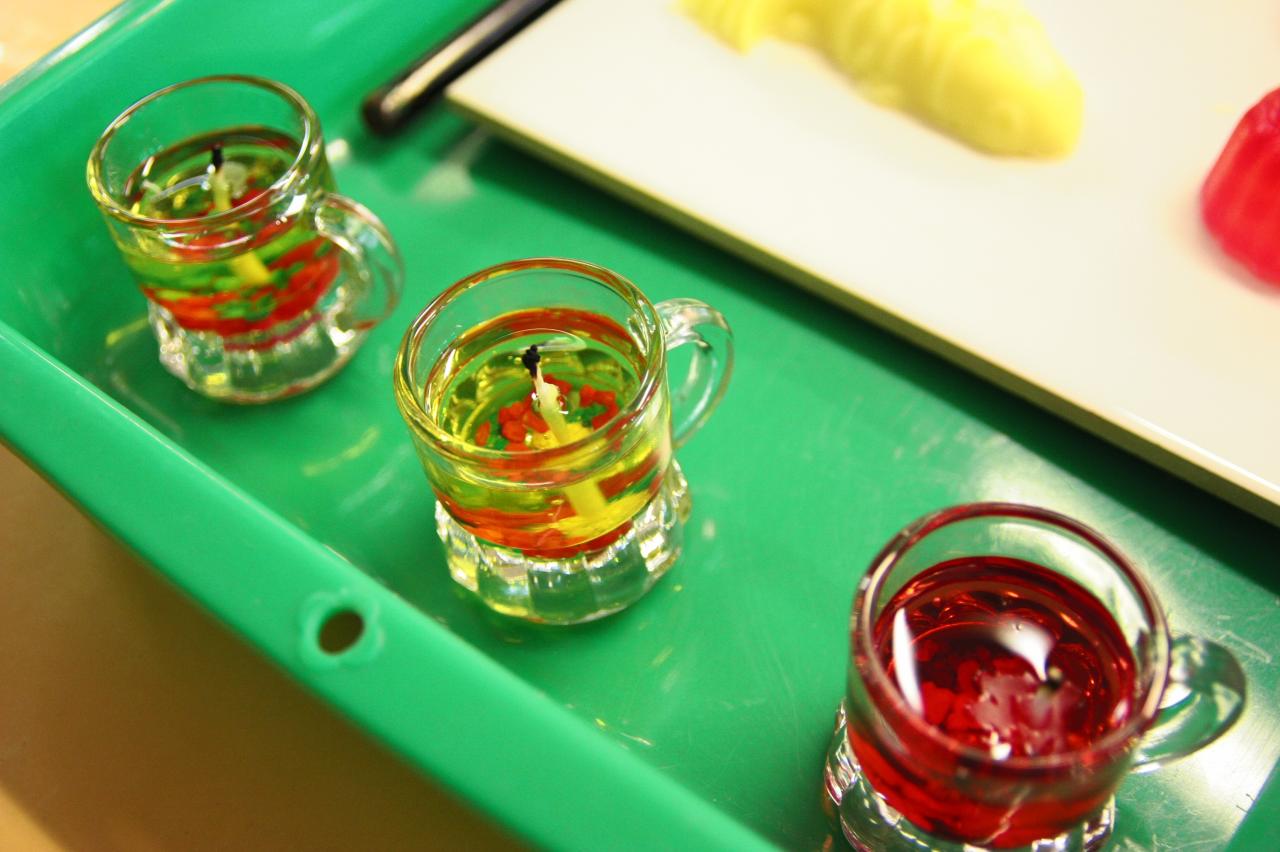
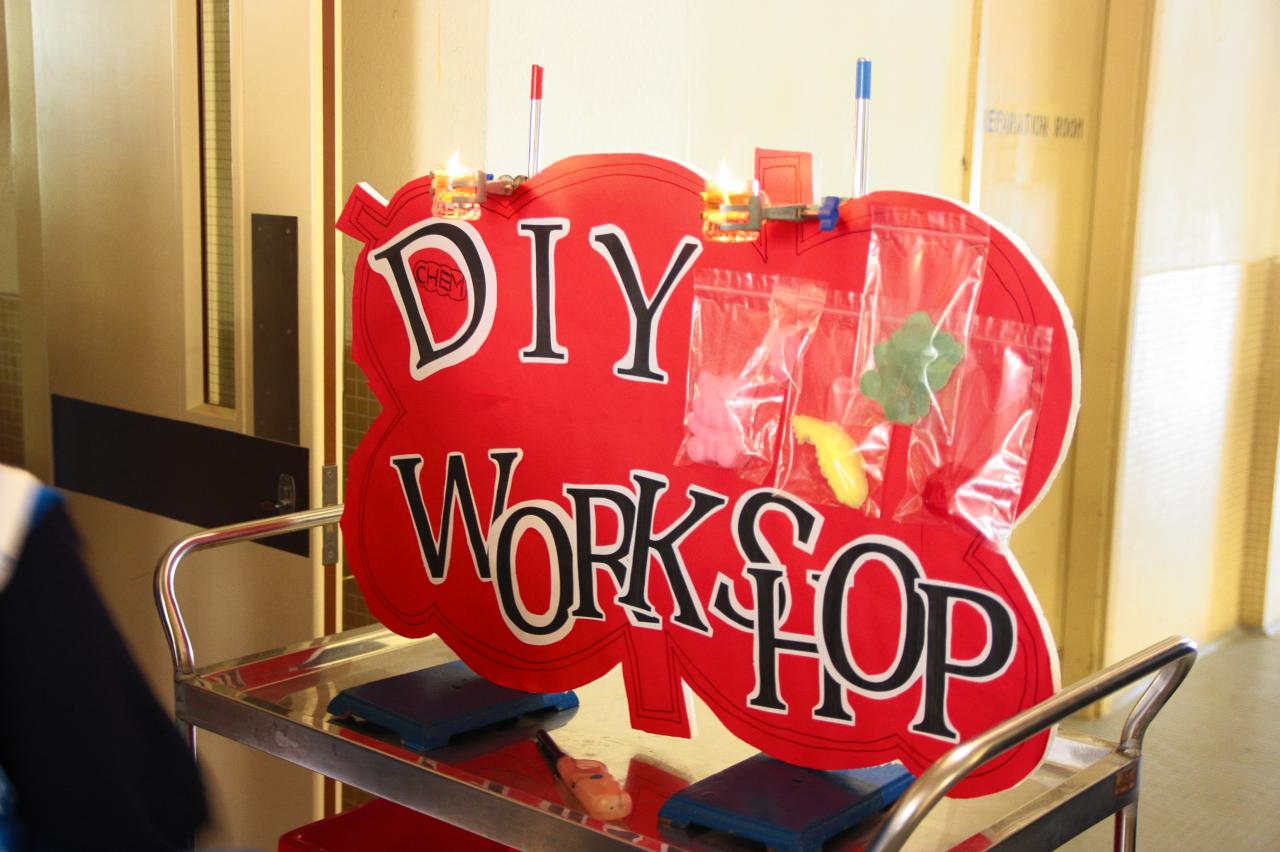
20110520 Key Chain & accessories DIY (By Chemistry Department)
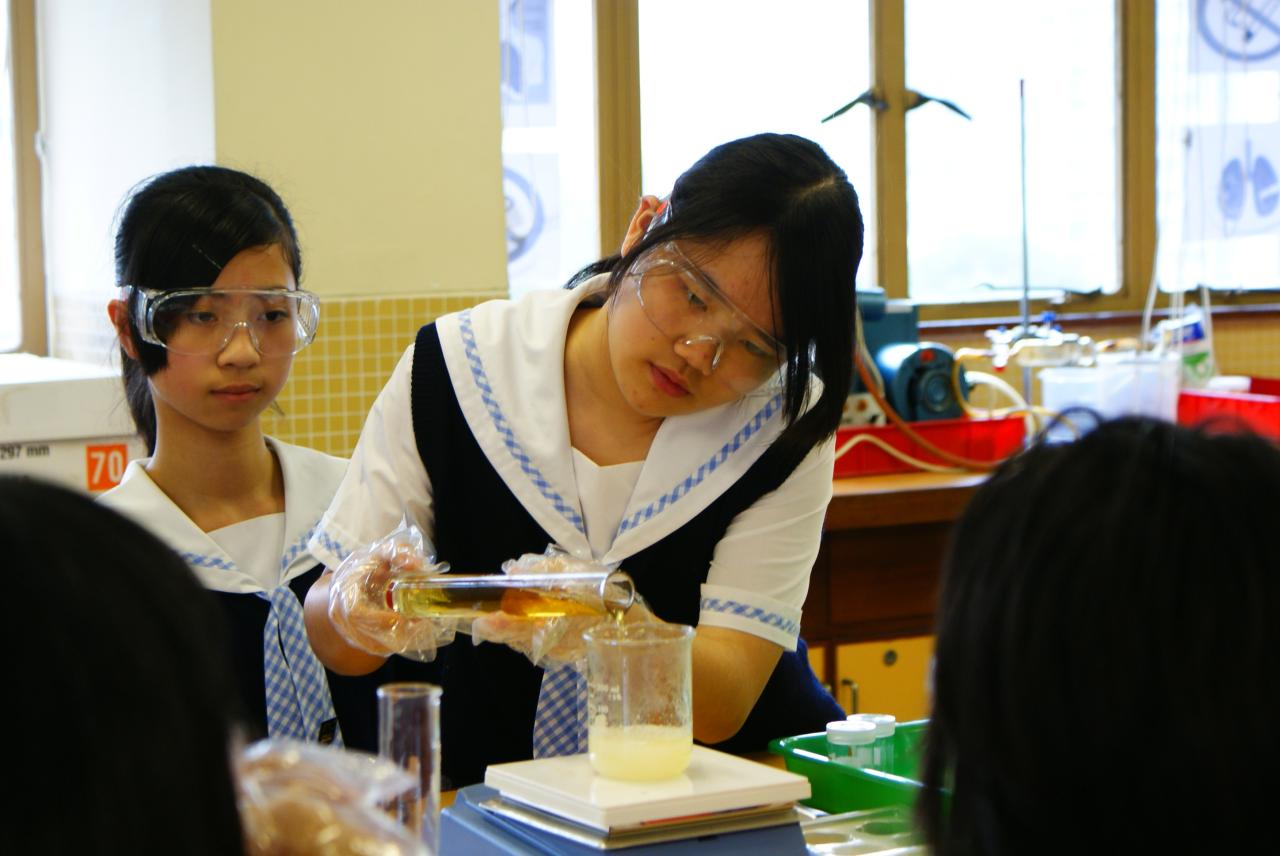
20100421 English Week - Soap making activity (By Chemistry Department)
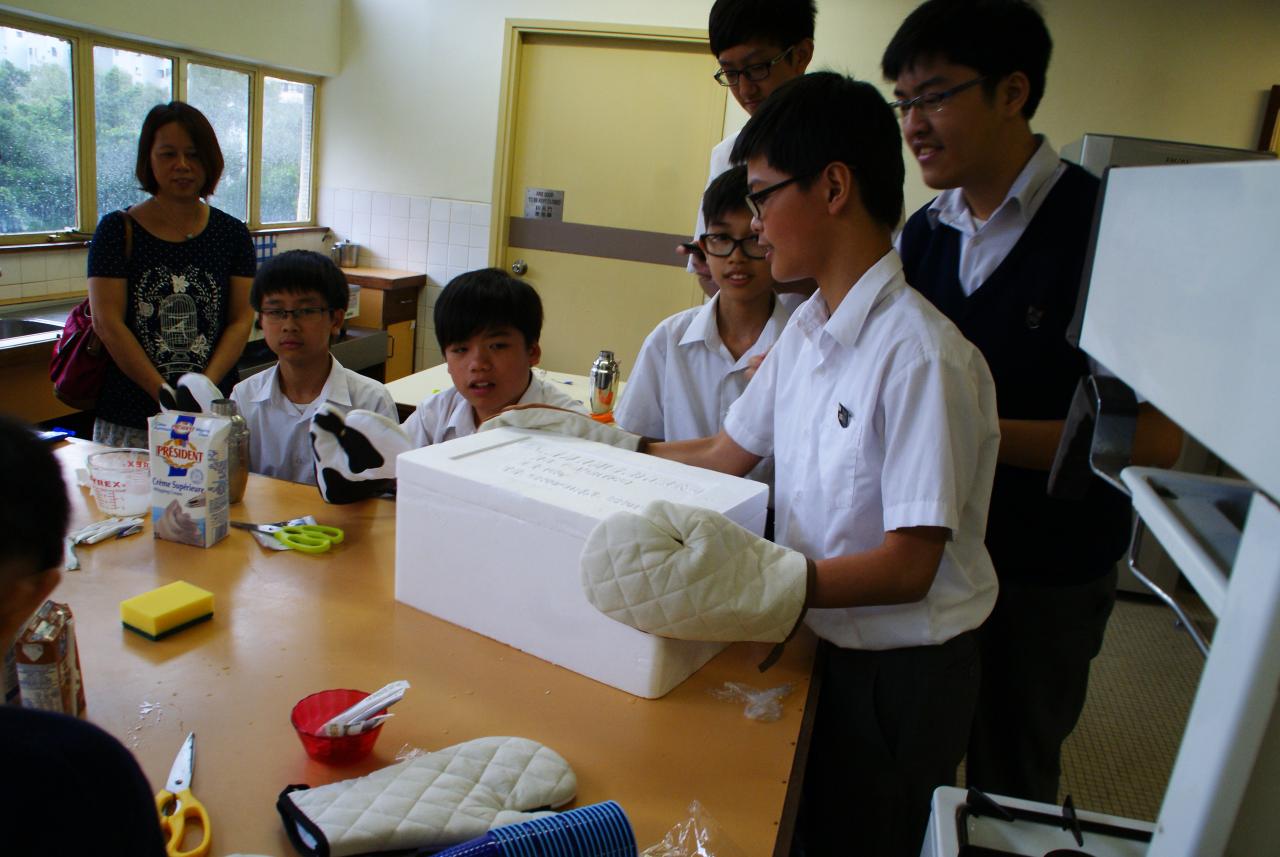
2013-14 Parents-children Ice-cream Making Workshop
2025-2026 

International Chemistry Quiz (ICQ): Awarded High Distinction, Distinction, and Credit Awards

The table below shows the assessment design of the subject with effect from the HKDSE Examination.

Component

Weighting

Duration

Public Examination

Paper 1 Compulsory part of the curriculum(1-12))

60%

2 hours 30 minutes

Public Examination

Paper 2 Elective part of the curriculum (13-15)

20%

1 hour

School-based Assessment (SBA) 

20%

---

Compulsory Part


Topic 1: Planet Earth
Topic 2: Microscopic World I
Topic 3: Metals
Topic 4: Acids and Bases
Topic 5: Fossil Fuels and Carbon Compounds
Topic 6: Microscopic World II
Topic 7: Redox Reactions, Chemical Cells and Electrolysis
Topic 8: Chemical Reactions and Energy
Topic 9: Rate of Reaction
Topic 10: Chemical Equilibrium
Topic 11: Chemistry of Carbon Compounds
Topic 12: Patterns in the Chemical World


Elective Part


Topic 13: Industrial Chemistry
Topic 15: Analytical Chemistry
 

The learning targets of the curriculum are categorised into three domains:


Knowledge and Understanding
 Students are expected to:

  • Understand phenomena, facts and patterns, principles, concepts, laws and theories in chemistry;
  • Learn chemical vocabulary, terminology and conventions;
  • Appreciate applications of chemistry in everyday life;
  • Understand methods used in scientific investigations.


Skills and Processes
Students are expected to have:

  • Scientific thinking
  • Scientific method, scientific investigations and problem solving
  • Decision making
  • Practical work
  • Information handling
  • Communication
  • Collaboration
  • Learning and self-directed learning


Values and Attitudes
Students are expected to:

  • Develop curiosity and interest in making scientific investigation;
  • Develop personal integrity through objective observation and honest recording of experimental data;
  • Be willing to communicate and make decisions on issues related to chemistry and demonstrate an open-minded attitude towards the views of others;
  • Be aware that chemistry is a developing science and that it has its limitations;
  • Appreciate the interrelationship of chemistry with other disciplines in providing social and cultural values;
  • Be committed to working safely in a laboratory;
  • Be aware of the impact of chemistry in social, economic, industrial, environmental and technological contexts;
  • Appreciate the importance of lifelong learning in our rapidly changing knowledge-based society.

Chemistry deals with the composition, structures and properties of matter, the interactions between different types of matter, and the relationship between matter and energy. Through the learning of chemistry, it is possible to acquire relevant conceptual and procedural knowledge. A study of chemistry also helps to develop understanding and appreciation of developments in engineering, medicine and other related scientific and technological fields. Furthermore, learning about the contributions, issues and problems related to innovations in chemistry will help students develop an understanding of the relationship between science, technology, society and the environment.

  • Address: 9 Shun On Road, Shun Tin Estate, Kwun Tong, Kowloon, Hong Kong
  • Tel: (852)2346 7465
  • Email: info@np2c.edu.hk