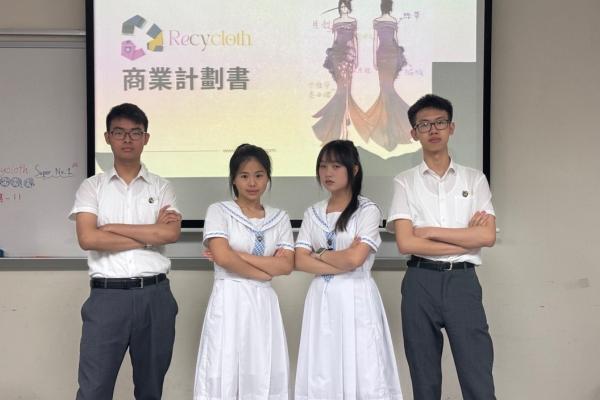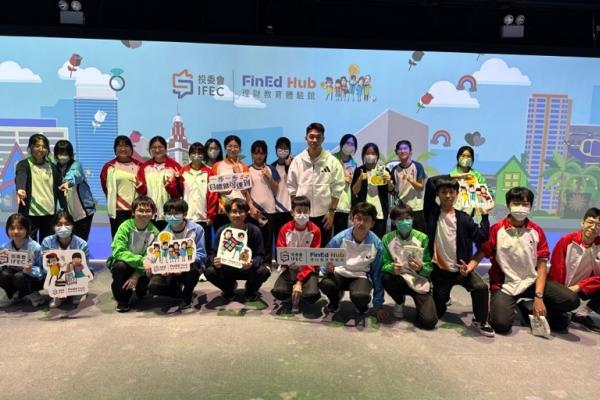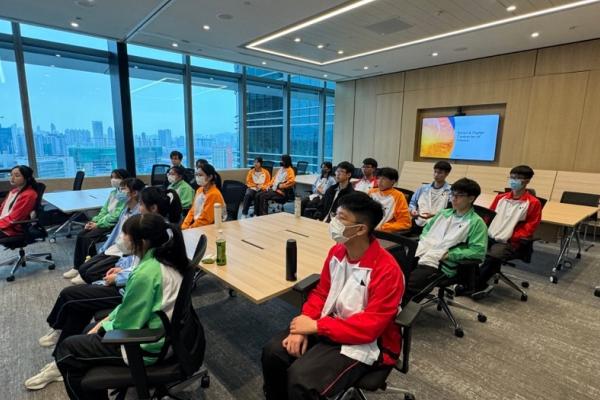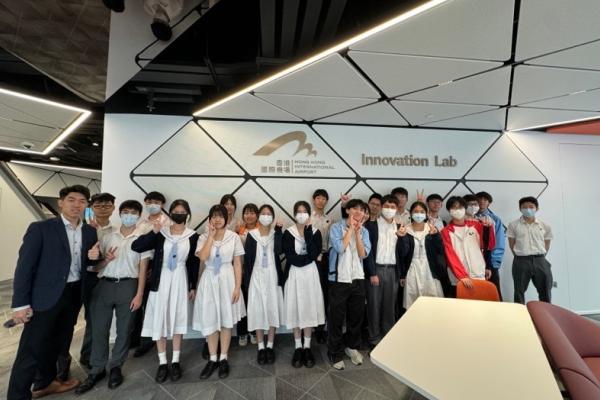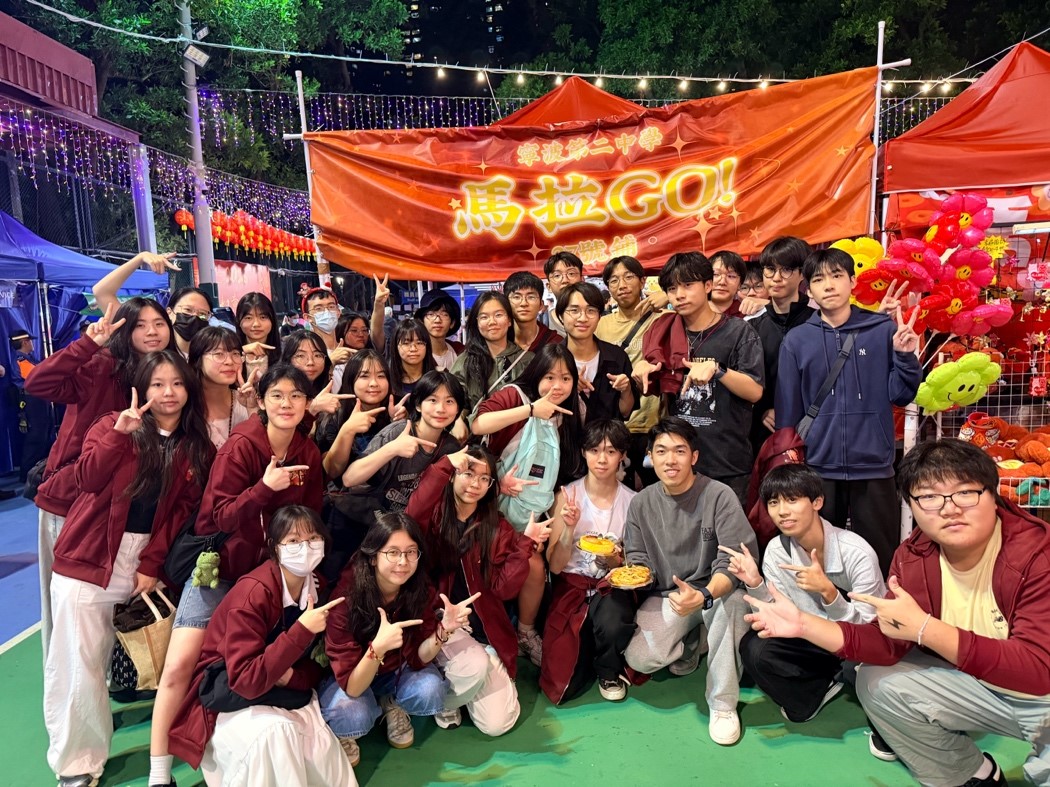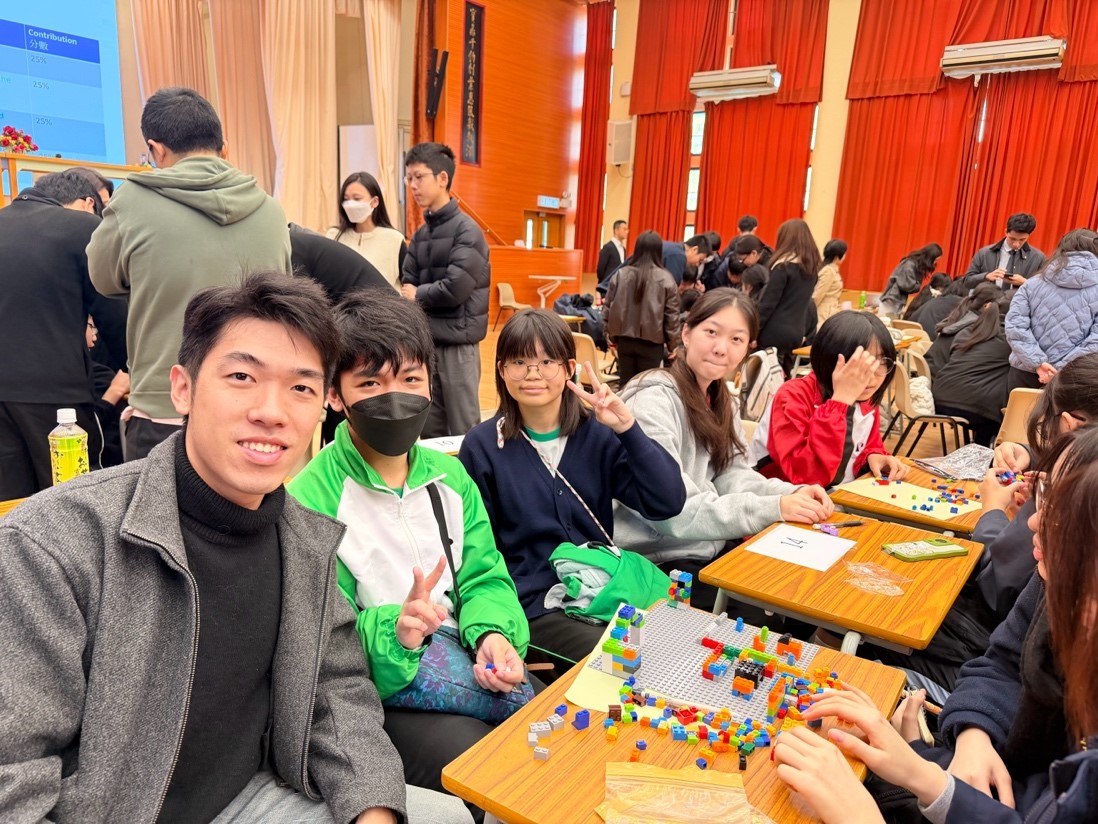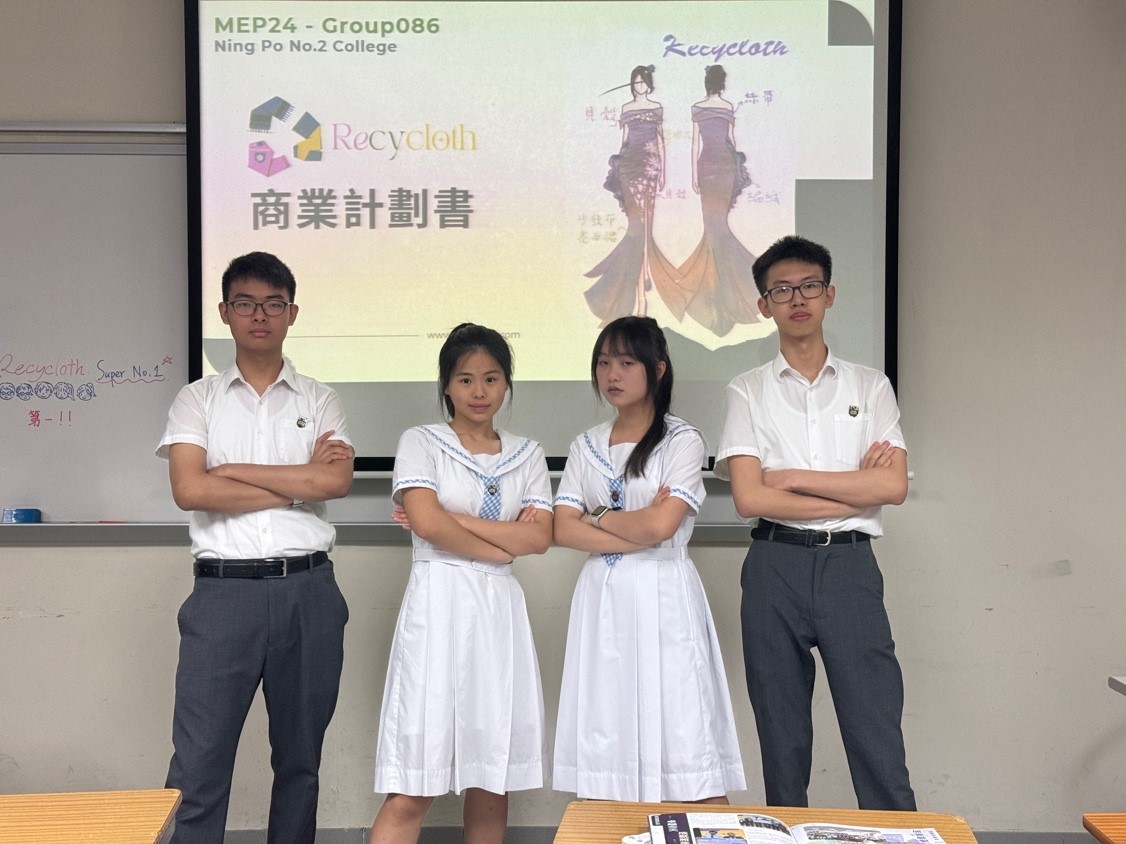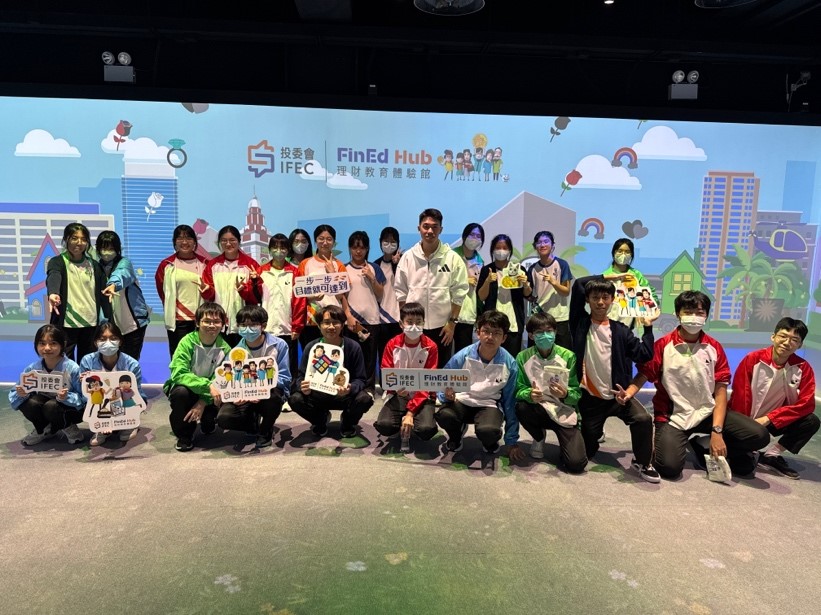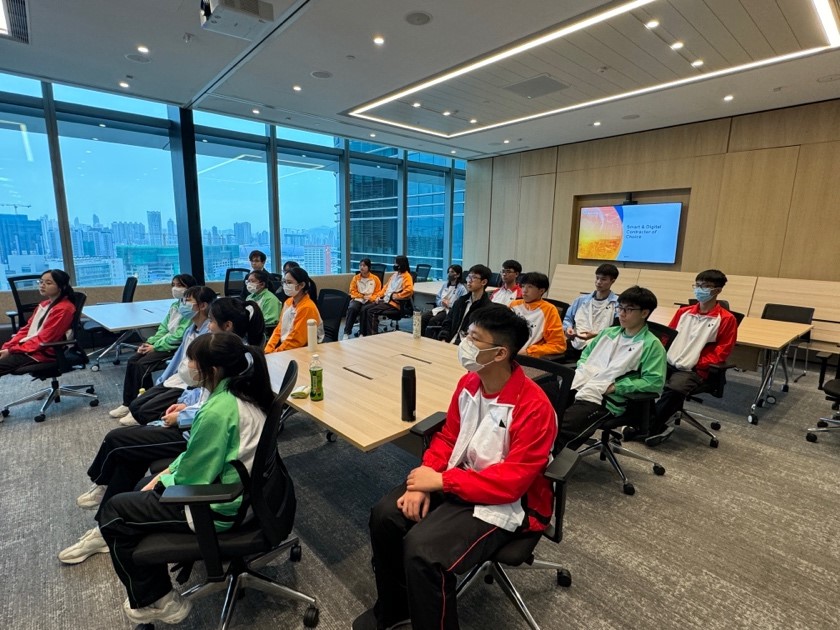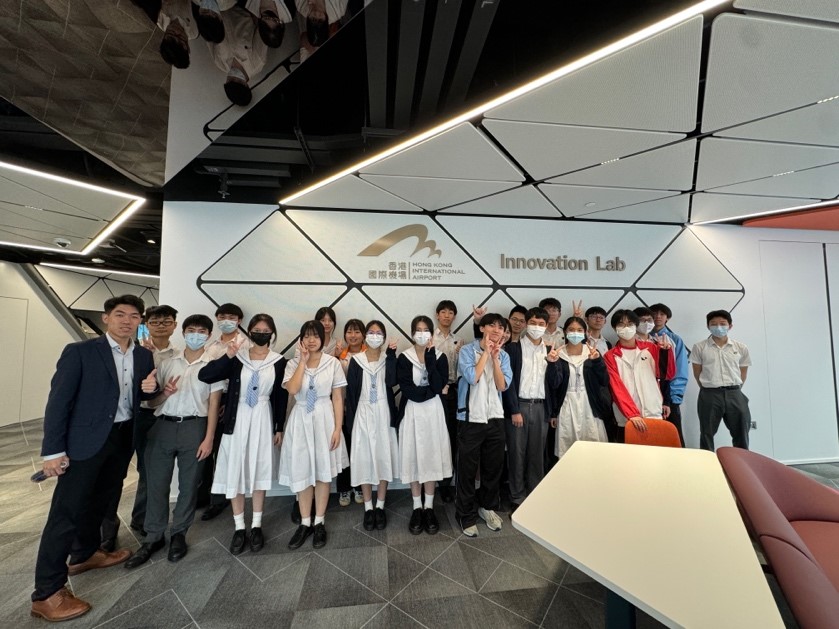
The subject offers a variety of learning activities that enable students to apply classroom knowledge in authentic business settings and deepen their understanding of business operations. These experiences foster creativity, problem-solving skills, teamwork and an entrepreneurial spirit, supporting students’ whole-person development.
 

Compulsory Part

Elective Part: Business Management Module

Business Environment

Financial Management

Introduction to Accounting

Human Resources Management

Basics of Personal Financial Management

Marketing Management

---

Introduction to Management

Paper 1 (Compulsory)

Format

Subject Weighting

Paper Weighting 

Duration

Multiple-choice Questions

 24 items

17%

25%

1 hour

Short Questions

3 items

8 %


Paper 2 (Elective)  

Format

Subject Weighting

 Paper Weighting

Duration

Short Questions

5 questions

32%

75%

2 hours 30 minutes

Case Studies

 Answer both questions 

27%

Essay Questions

Answer 1 of 2 questions

16%

Business, Accounting and Financial Studies equips students with business knowledge and practical skills while fostering positive values, proactive learning attitudes and the capacity for lifelong learning. The subject connects theory with practice and supports the Education Bureau’s direction in digital education and AI literacy. Technology is used to cater for learner diversity and prepare students for further studies, employment and contributions to society.
The curriculum has five learning objectives:

1.    Build a Sound Foundation in Business and Broaden Business Perspectives
Students develop an understanding of business management, accounting and finance, including how businesses operate and how different business functions interact. They explore local and global business developments and examine how economic, technological and social changes affect businesses and individuals.

2.    Develop Critical Thinking and Creative Problem Solving
Students learn to collect, interpret, analyse and evaluate business information, consider issues from different stakeholders’ perspectives and make reasoned judgements. Through case studies and practical activities, they apply their knowledge to develop creative, feasible solutions while strengthening communication and teamwork.

3.    Use AI to Support Self-directed Learning
The subject will introduce an AI learning platform with an intelligent learning assistant and an AI marking system to help students clarify concepts, receive timely feedback and improve their responses. With teacher guidance, students are encouraged to explore AI proactively, set goals suited to their learning needs and progress, and review their performance to develop habits of self-directed learning and continuous improvement.

4.    Uphold Positive Values and Use Technology Responsibly
Students develop integrity, responsibility and respect for others, alongside an understanding of business ethics and corporate social responsibility. AI literacy and ethics education guide students to verify AI-generated content, identify bias, respect intellectual property, protect personal data and uphold academic integrity, while maintaining independent thinking and using technology responsibly.

5.    Develop Personal Potential and Plan for the Future
Diverse learning experiences help students discover their interests and strengths, develop an entrepreneurial spirit and self-management skills, and adapt to change. Students explore business-related study and career pathways, plan their personal development and pursue lifelong learning, using their strengths to contribute to business and society.
 

  • Address: 9 Shun On Road, Shun Tin Estate, Kwun Tong, Kowloon, Hong Kong
  • Tel: (852)2346 7465
  • Email: info@np2c.edu.hk